Meetings are one of the most powerful tools for coordinating teams, making decisions and setting the direction of a project. However, they are not always carried out efficiently. They often run over time, become unfocused or fail to produce concrete results. This is why good management is essential.
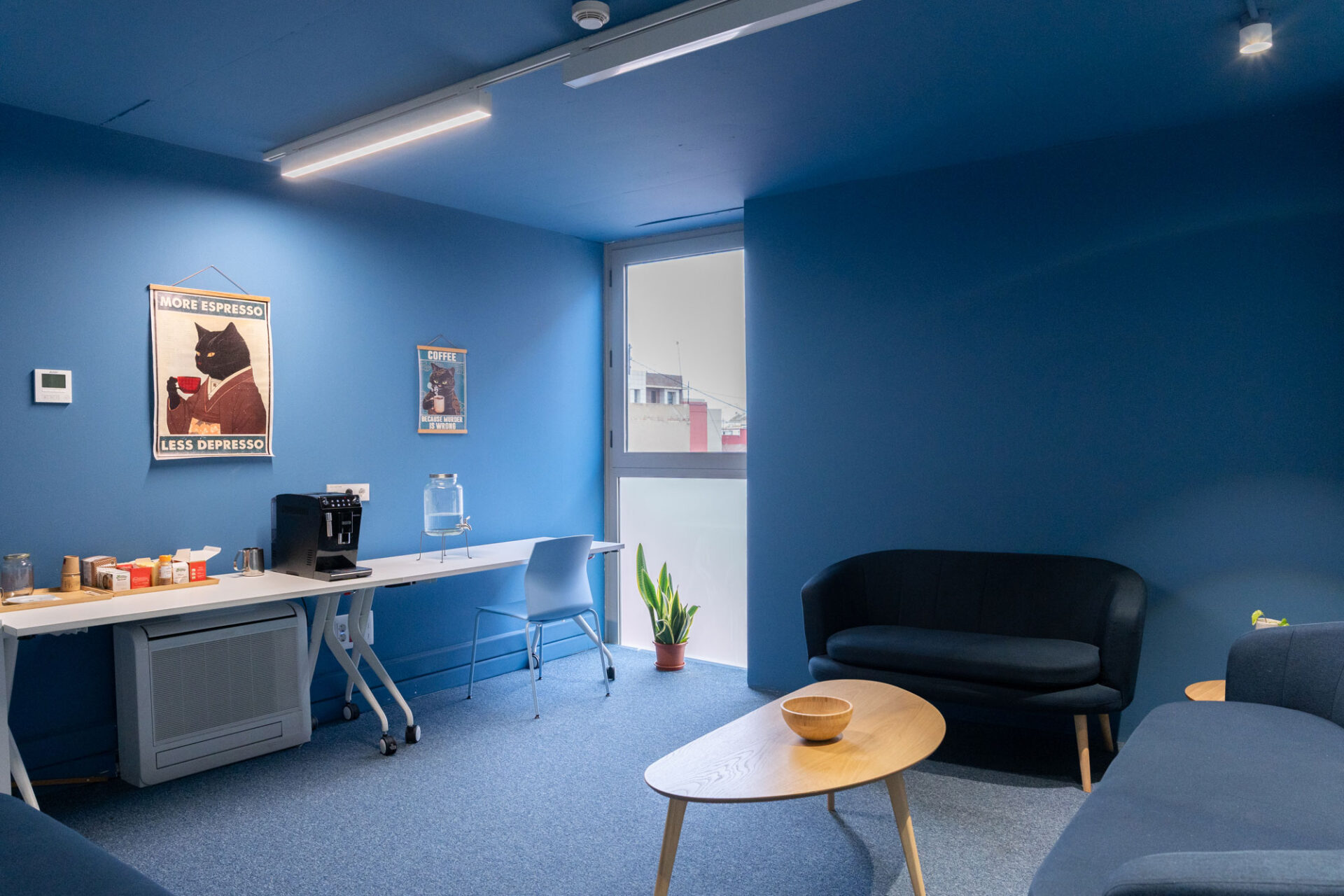
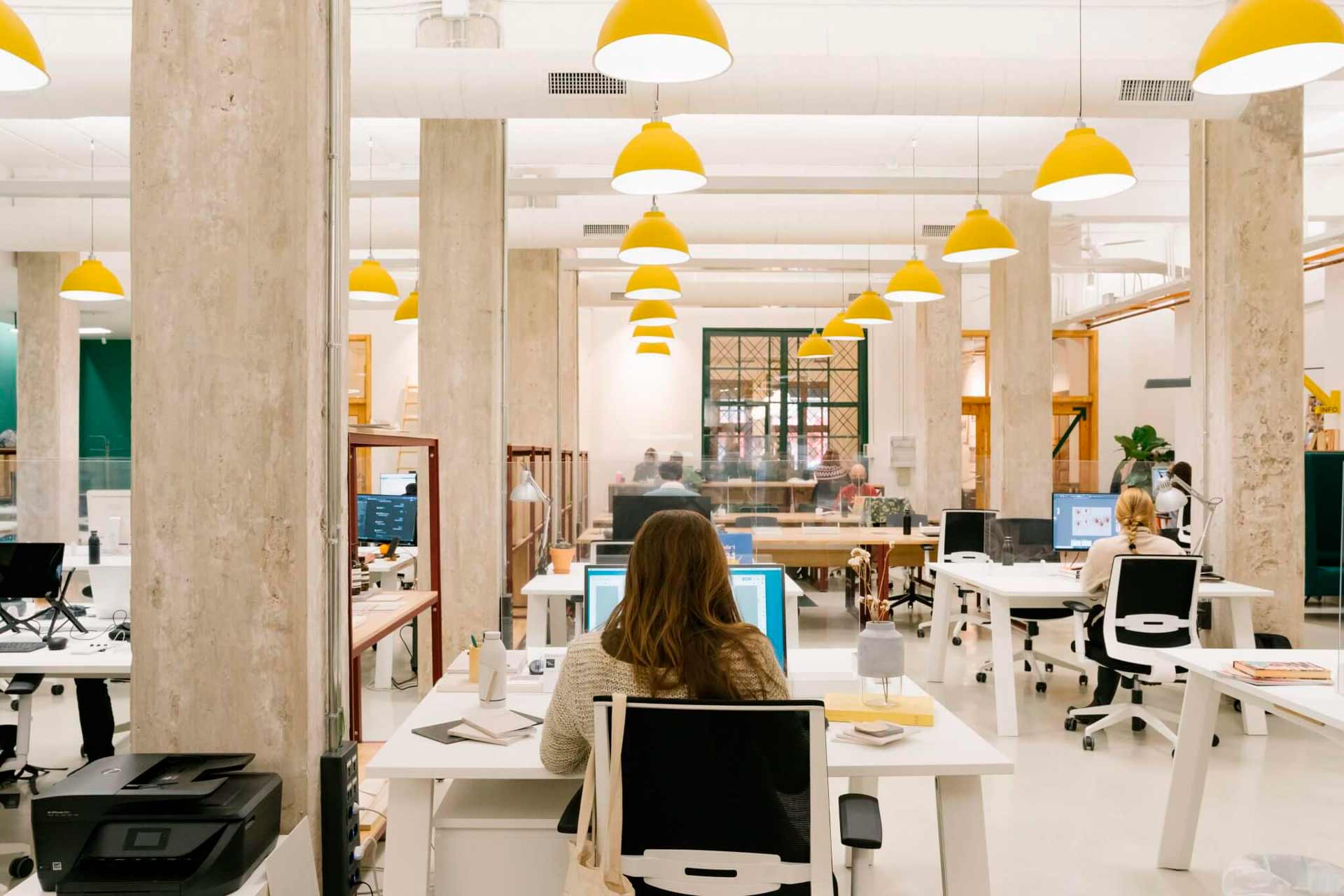
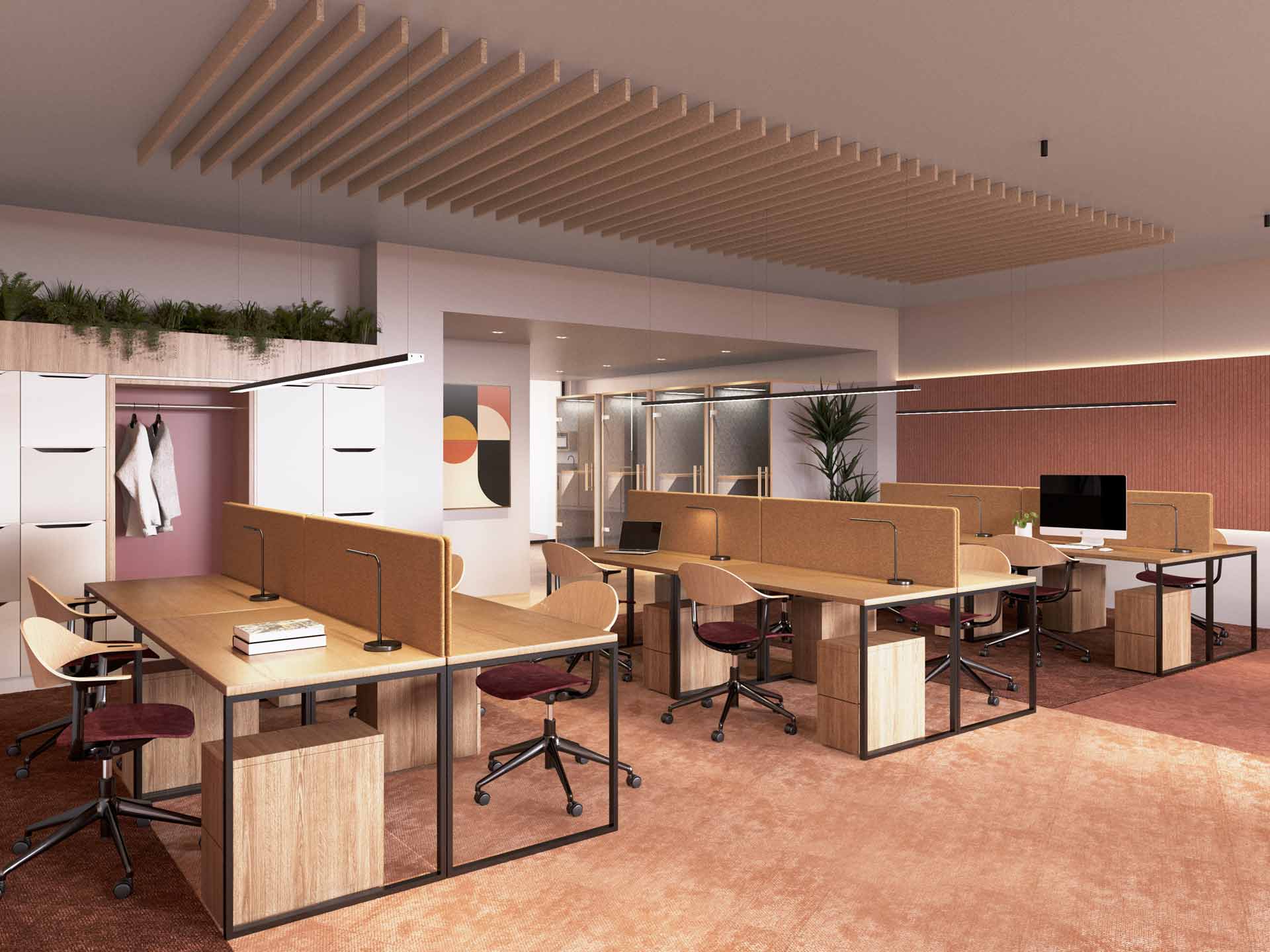
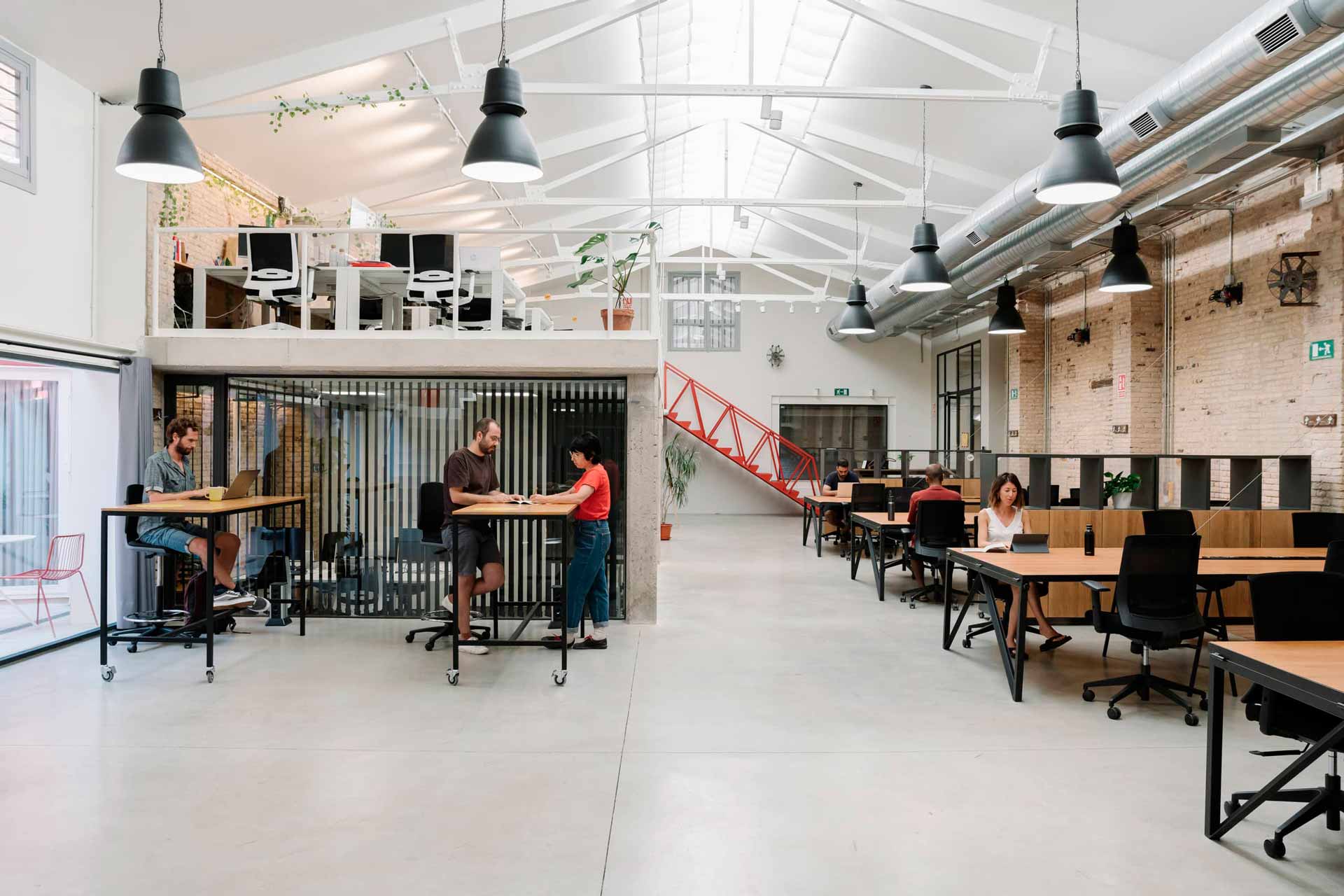
And, beyond that, the environment in which the meeting takes place has a much greater impact than we tend to realise. A well-designed coworking space, equipped with the right facilities and technology, can completely transform the experience and help teams hold more productive, intentional and fluid meetings.
Why Is It Important to Prepare Meetings in Advance?
The effectiveness of a meeting begins long before everyone sits down at the table. A well-prepared meeting makes it possible to use time wisely, avoid unnecessary diversions and stay focused on the real objectives. When a meeting is called without a clear intention or without communicating in advance what will be discussed, interruptions, confusion and unproductive conversations are almost guaranteed.
Preparing a meeting offers several key benefits:
- Greater productivity: With a clear goal and a structured agenda, improvisation is reduced and the discussion stays on track.
- Stronger teamwork: Participants arrive with aligned expectations and a clear understanding that their time is valued, which enhances communication and engagement.
- Faster and more accurate decisions: When everyone understands the purpose of the meeting, it becomes easier to reach practical and applicable conclusions.
Preparing a meeting doesn’t need to be complicated; it simply requires setting a specific objective, sharing an agenda and, importantly, choosing the right environment.
Main Challenges of Meetings in Shared Spaces
Coworking spaces are dynamic, energetic environments that inspire creativity, but they can also present certain challenges if not managed correctly.
1. External distractions
In a shared environment, it’s normal to have people moving around or conversations nearby. These small distractions can break the team’s flow if the room is not well insulated or if the wrong type of space is chosen.
2. Hybrid teams
Combining in-person participants with remote attendees requires reliable tools and careful technical preparation. Without these, meetings can turn into a mix of interruptions, repeated information or audio issues.
3. Lack of a structured agenda
One of the greatest challenges—both in coworking spaces and traditional offices—is the absence of a clear guide. Without an agenda, meetings stretch on, irrelevant topics arise and valuable time is lost.
Pese a estos desafíos, el entorno de un coworking puede jugar a favor si se aprovechan las salas adecuadas y se Despite these challenges, the coworking environment can work to your advantage when using the right rooms and applying good practices from the start.
Keys to Organising Effective Meetings in Coworking Spaces
Preparation beforehand
The preparation phase is essential for a productive meeting. Some key actions include:
- Define a clear and achievable goal: Meeting to make a decision is not the same as meeting to brainstorm. Identify the purpose and share it with attendees.
- Establish and share the agenda: Sending out the agenda in advance helps everyone arrive prepared and with their ideas already in mind.
- Invite only the necessary participants: Keeping the group focused avoids unnecessary interventions and keeps the meeting efficient.
- Choose the most suitable room: for example, at Wayco, the Berlanga Room works very well for dynamic and fast-paced meetings, while the Crisol Room is ideal when the meeting includes group dynamics or team building.
During the meeting
Once in the room, maintaining structure and pace is key:
- Respect the scheduled time: Meetings should have a clear beginning and end. Sticking to the planned duration shows respect and boosts the sense of efficiency.
- Encourage active participation: Asking questions, seeking opinions and assigning small roles helps everyone feel involved.
- Use collaborative tools: Shared documents, virtual whiteboards or platforms like Miro allow real-time collaboration and visual organisation of ideas.
- Look after the environment: Good lighting, comfortable seating and proper acoustics contribute directly to concentration.
After the meeting
Productivity doesn’t end when the door closes:
- Share a summary of agreements and decisions: This ensures everyone is aligned afterwards.
- Assign responsibilities and deadlines: Clarifying who does what avoids confusion later on.
- Follow up: Tools such as Trello, Notion or Asana help track progress and maintain coherence within the project.
Recommended Tools for Productive Meetings
Technology is a powerful ally when optimising meetings. Some particularly useful tools include:
- Google Calendar or Calendly for scheduling and avoiding clashes.
- Notion, OneNote or Evernote for note-taking, centralising information and sharing summaries.
- Zoom, Google Meet or Microsoft Teams for hybrid or fully remote meetings.
- Miro or FigJam for visual brainstorming, planning and collaborative work.
When combined with an appropriate space, these tools help meetings run smoothly and professionally.
Benefits of Holding Meetings in a Coworking Space
Coworking spaces offer several advantages that directly contribute to effective meetings:
- Spaces tailored to every need: From small meeting rooms to large, flexible areas ideal for workshops, presentations or group activities.
- Technology and comfort ready to use: Screens, sound systems, reliable Wi-Fi and ergonomic furniture.
- A motivating and professional atmosphere: Being surrounded by other professionals stimulates creativity and can spark new ideas.
- Complementary options: After an important meeting, social areas or terraces provide the perfect setting for a relaxed chat, networking session or informal refreshments.
In Conclusion
Effective meetings depend not only on the people attending but also on the preparation, the tools used and—crucially—the environment. A well-equipped and flexible coworking space offers everything needed for meetings that are more productive, more inspiring and more human.
If you want to improve your team’s meeting dynamics and make the most of your collaborative work, coworking spaces offer the perfect balance of focus, comfort and creativity.