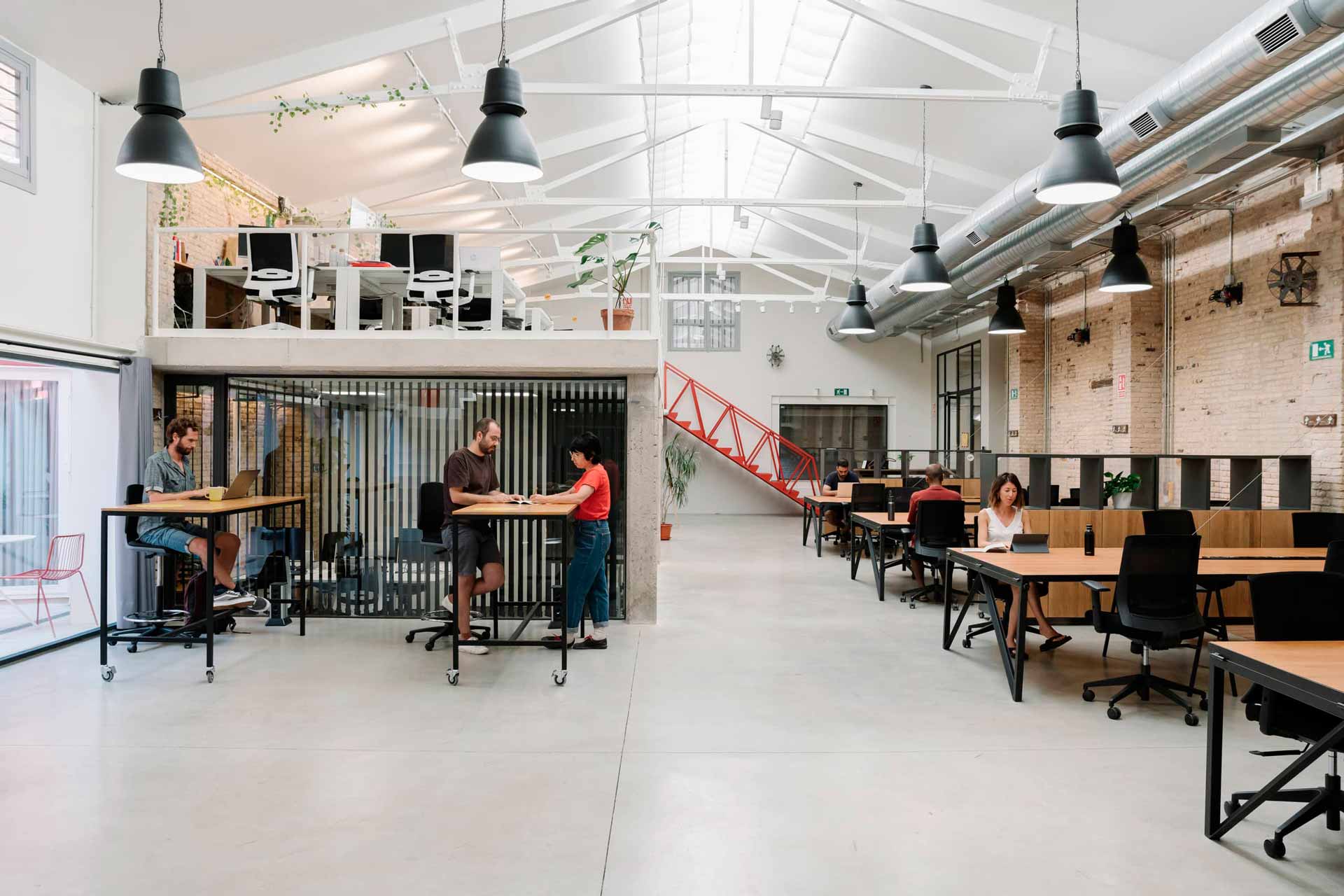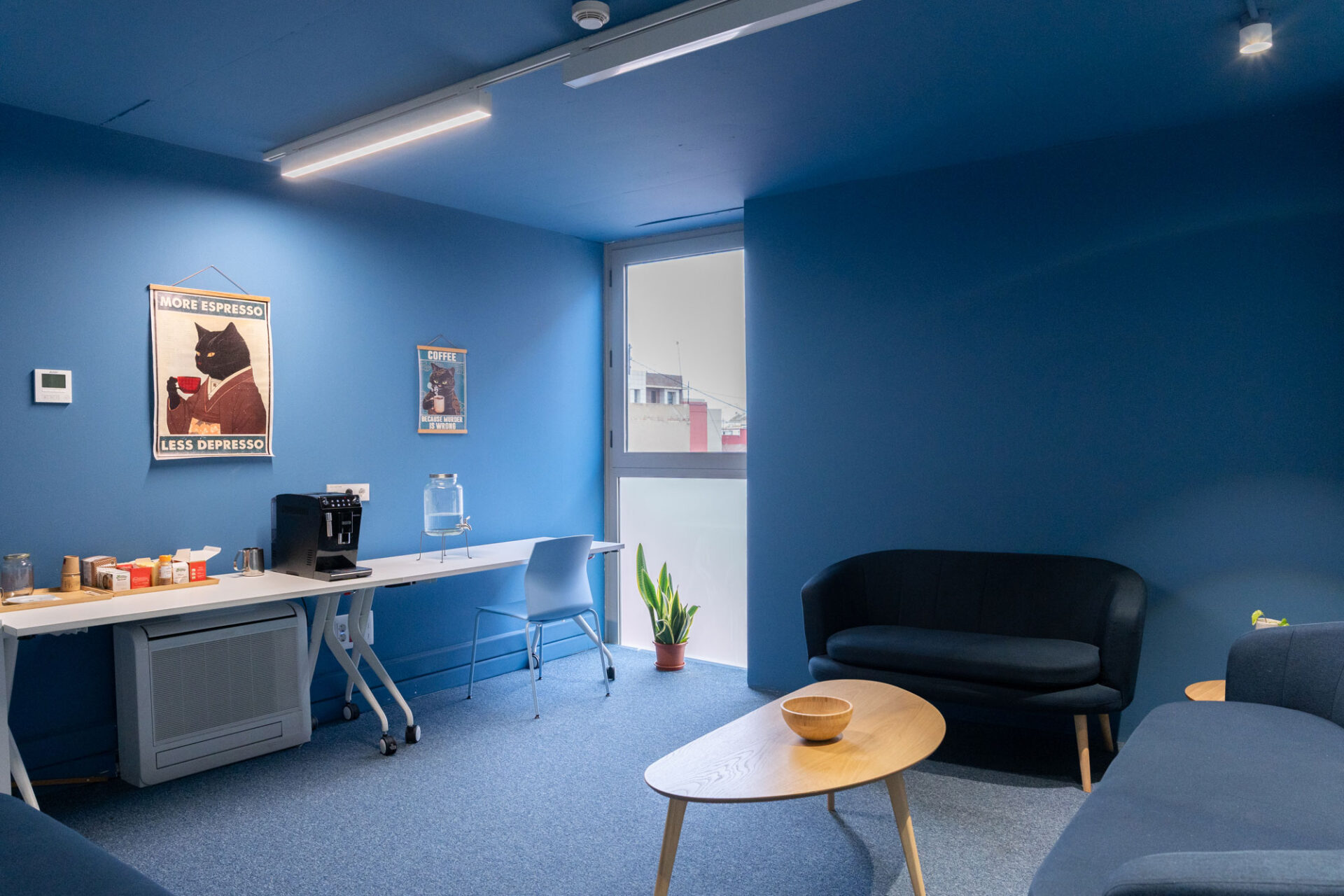
A smart office is much more than a workspace filled with connected devices, screens and sensors. It combines technology, wellbeing and flexibility to create a working environment that better adapts to people and to the real needs of a business. And the best part is that adopting this model doesn’t necessarily mean knocking down walls, replacing all your furniture or making a million-pound investment. It can start with small changes or, even better, with the decision to work in a space that’s already designed for it.
At a time when the way we work has changed dramatically, so has our relationship with the office. Hybrid working, distributed teams, freelancers splitting their time between home and the office, and growing companies needing to adapt their spaces have all raised a fairly simple question: does it still make sense to work in offices designed for another era?
Part of the answer lies in the concept of the smart office.
What Is a Smart Office?
A smart office is a workspace designed to use technology and available resources intelligently, while also improving the experience of the people working there.
That’s the important distinction. A smart office isn’t about having more technology; it’s about using technology to solve specific needs.
It might include room booking systems, smart climate control, advanced connectivity, efficient lighting or digital tools for managing the workspace. But it also takes into account things that are far less futuristic — and just as important — such as natural light, ergonomics, having a quiet space when you need to concentrate or being able to change your surroundings depending on the task at hand.
Because we don’t work in the same way when we need absolute concentration as we do when we’re meeting a client. Nor do we work in the same way during a video call as when we need to sit down with our team and brainstorm ideas.
That’s why a smart office brings together three key dimensions:
- Technology: streamlines processes, improves connectivity and helps manage resources more effectively.
- Wellbeing: puts people at the centre, taking care of aspects such as comfort, lighting, acoustics and spaces for taking a break.
- Efficiency: optimises the use of energy and space, avoiding underused resources and supporting more sustainable management.
The result is an environment that doesn’t just “work”, but adapts to the way people work.
And here’s one of the key principles: a smart office should make working easier, not add another layer of complexity. If you need to read a 42-page manual just to switch on the lights, perhaps we’ve slightly missed the point.
Why Is the Smart Office Gaining Ground Now?
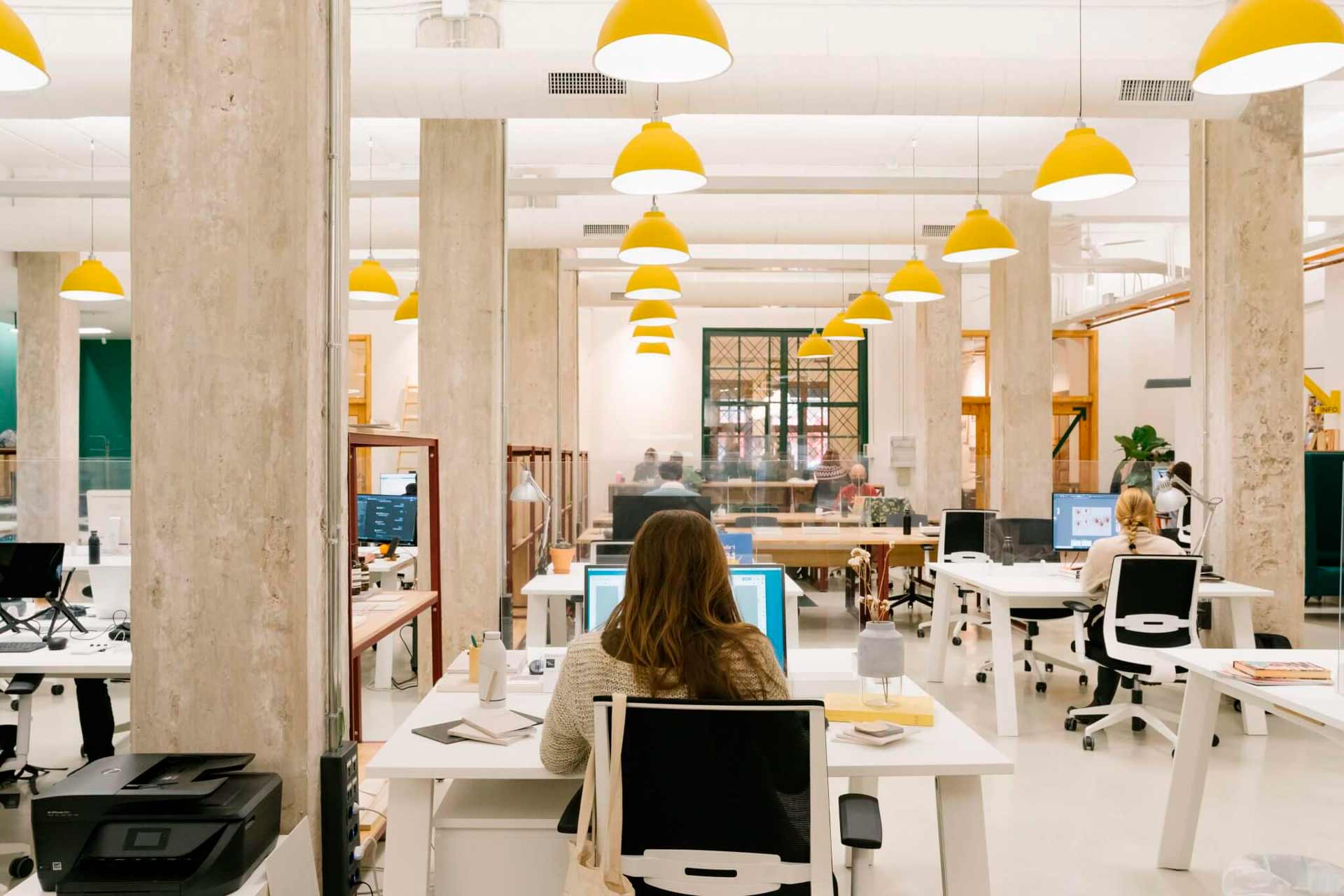
The office is no longer simply somewhere people go from Monday to Friday to sit at the same desk. The rise of hybrid and flexible working has changed the rules and forced many businesses to rethink how they use their spaces. Today, someone might work from home one day, need a meeting room to meet a client the next and prefer a shared environment where they can concentrate and connect with other professionals on another. This new reality requires more versatile workspaces.
Small businesses and independent professionals also need to make better use of their resources. It doesn’t make much sense to maintain a huge office with empty desks for much of the week, just as it isn’t practical to have a space that can’t adapt when the team grows. The digitalisation of the office is partly a response to this need. But so is a new way of thinking about the workplace: more flexible, more efficient and more focused on people.
In this context, the smart office is becoming increasingly relevant because it proposes exactly that: the workspace should adapt to the work, rather than forcing the work to constantly adapt to the workspace.
How to Adopt the Smart Office Concept
The good news is that you don’t need to start with a complete refurbishment. For a freelancer, small business or growing company, adopting the principles of a smart office can be a gradual process.
Start by Digitalising the Basics
Before thinking about smart sensors or automated systems, it’s worth reviewing your everyday processes. Are there still tasks that are managed manually but could be digitalised? Can you book meeting rooms, manage documents or coordinate meetings online? Can you reduce your use of paper?
Office digitalisation often starts with small processes that save time and eliminate repetitive tasks. Technology makes sense when it helps us work better. Not when it’s simply there so we can say we have technology.
Prioritise Natural Light and Comfort
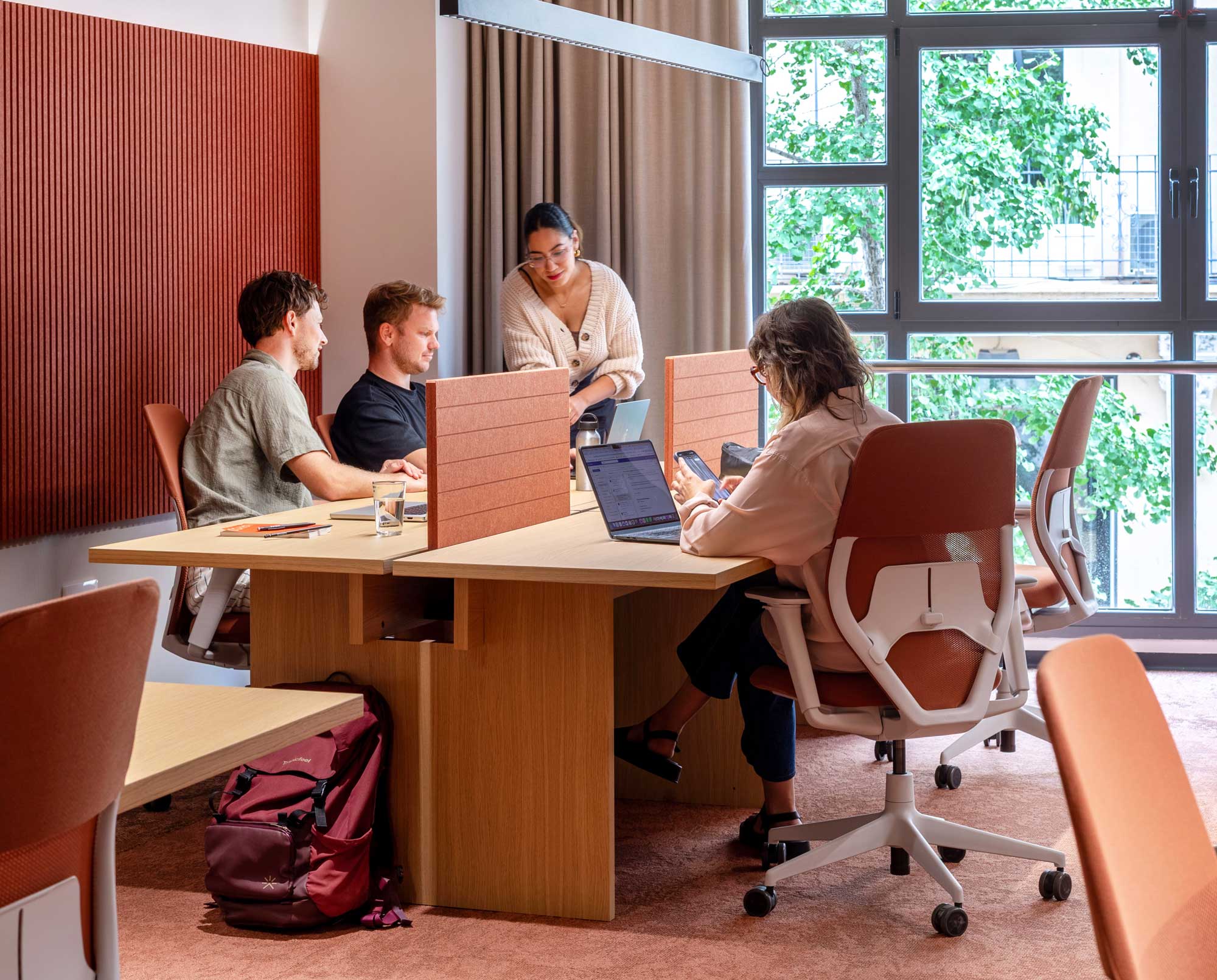
A smart office should also be a pleasant place to work. Natural light, air quality, temperature, acoustics and ergonomics all have a direct impact on how we feel and on our ability to concentrate.
Not everything needs to be automated to be smart. Sometimes, a well-designed layout and a comfortable chair can do more for workplace wellbeing than the most sophisticated gadget on the market.
Choose Flexible Furniture
If the way we work changes, the workspace should be able to change too.
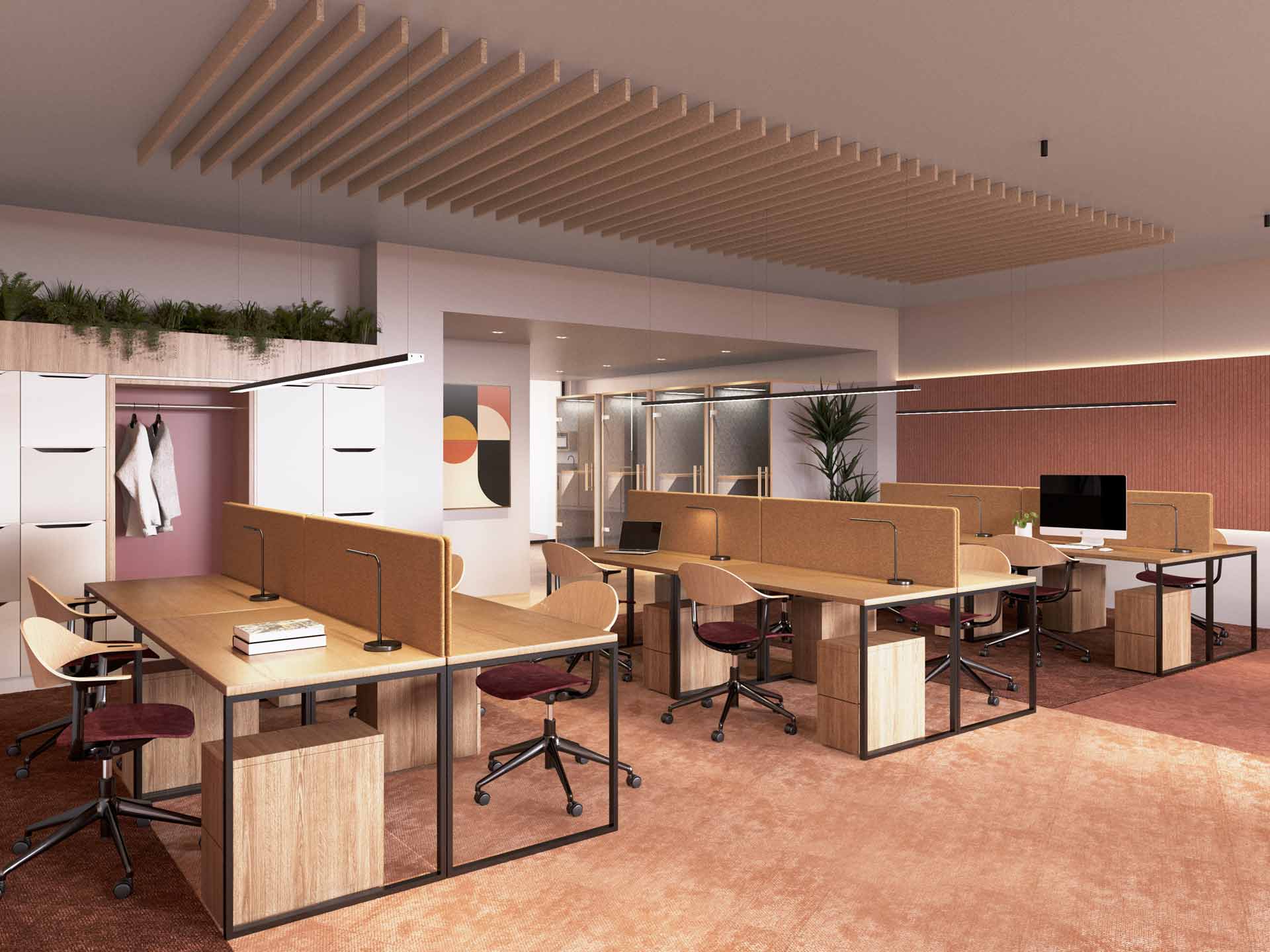
Reconfigurable desks, areas for individual work, collaborative spaces, meeting rooms and breakout areas make it possible to adapt the environment to different needs.
The idea is to avoid giving every square metre a single, fixed purpose. An area might be used for focused work in the morning and become an informal meeting space in the afternoon.
Measure How You Actually Use the Space
Another key element of a smart office is making decisions based on data rather than simply on assumptions.
How many desks are actually being used? Which meeting rooms are most in demand? Are there spaces that remain empty for hours? Which areas do teams use the most?
Even without sophisticated analytics systems, observing these patterns can help you make better decisions and get more value from the resources available.
And it can also help you avoid a fairly common situation: paying for square metres that hardly anyone uses.
Consider a Workspace That’s Already Set Up
For many freelancers and small businesses, adapting an office from scratch simply isn’t practical. You need to invest in technology, furniture, connectivity, maintenance, utilities and day-to-day management. That’s why another way to adopt this type of office model is to join a workspace that already incorporates these solutions.
Flexible workspaces provide access to ready-to-use infrastructure, technology, meeting rooms, work areas and shared services without taking on all the investment and management involved in creating an office from scratch. In other words: you don’t always need to build your own smart office. Sometimes, you just need to find one that already exists.
What to Consider Before Taking the Plunge
One of the most common mistakes is thinking that a smart workspace is simply an office with more devices. Installing sensors, screens or connected systems doesn’t automatically make a space intelligent. The question should be different: does this technology genuinely improve the way we work?
It’s also important to avoid investing in tools nobody uses or digitalising processes without first considering whether they’re actually necessary. Technology should serve the organisation, not the other way around. Another common mistake is forgetting about people. An office can be highly technological and still be uncomfortable, inflexible or simply unpleasant to work in.
That’s why, before taking the plunge, it’s worth considering three questions: what does the business need, what do the people need and what resources make sense to invest? A smart office isn’t about having the latest technology. It’s about making better use of the resources available to work more efficiently and comfortably.
Workspaces at Wayco
The smart office concept can also mean choosing a workspace that has already done part of the journey for you.
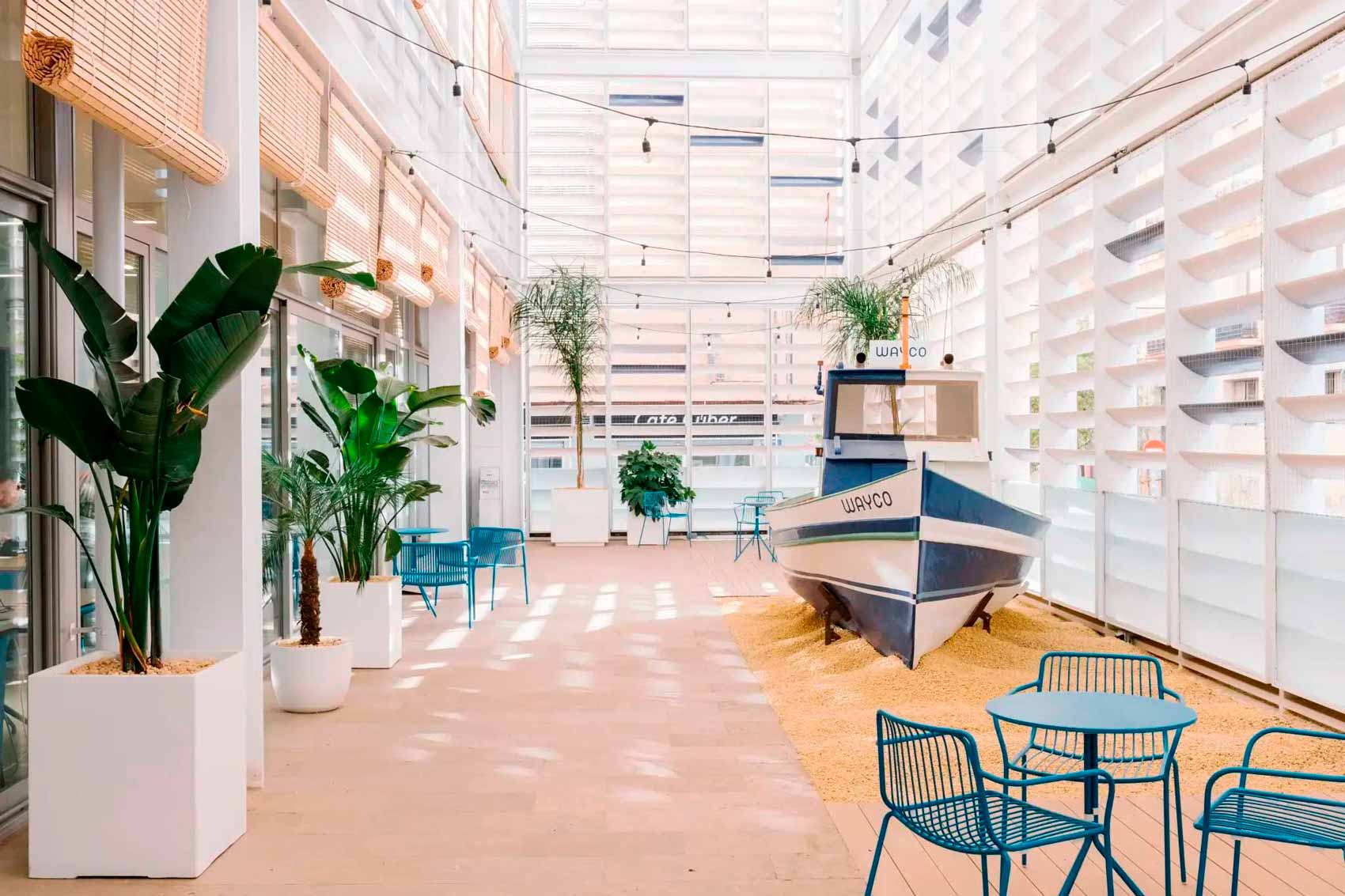
At Wayco, technology, flexibility and wellbeing are part of the everyday experience of working in our spaces. From coworking desks and private offices to meeting rooms and areas designed for switching off, the idea is to provide an environment that adapts to different ways of working.
The concept also goes beyond infrastructure. Community plays an important role too. Sharing a workspace with other professionals, companies and projects creates opportunities to connect, exchange ideas and become part of a dynamic working environment.
Because a smart office shouldn’t simply be about the lights switching on automatically. It should also make it easier for people to work, collaborate and grow in a more flexible way.
If you’d rather start working in a space that already incorporates these benefits, explore any of Wayco’s locations in Valencia and discover which option best suits the way you work.
Frequently Asked Questions
What Is the Difference Between a Smart Office and a Traditional Office?
The main difference is adaptability. A smart office combines technology, flexibility, wellbeing and efficiency to better respond to the needs of both people and the business.
A traditional office is usually designed around a more fixed structure: designated workstations, spaces with a single purpose and less digitalised processes. In a smart office, the workspace can adapt more easily to different tasks and ways of working.
Do You Need to Invest a Lot of Money to Have a Smart Office?
Not necessarily. Although some technology solutions require significant investment, adopting the smart office concept doesn’t mean carrying out a complete refurbishment. You can start by digitalising processes, improving the layout, introducing flexible furniture, optimising lighting or reviewing how the space is being used.
Another option is to work in a flexible workspace that already has good connectivity, infrastructure, meeting rooms and services in place. This allows a company to enjoy many of the benefits of a smart office without taking on the cost of designing and managing one from scratch.
Can a Coworking Space Be Considered a Smart Office?
Yes. A coworking space can incorporate many of the principles of a smart office, particularly when it combines technology, flexibility, efficiency and wellbeing.
Coworking spaces also allow resources and infrastructure to be shared, which can improve the use of space and reduce costs. Flexibility makes it easier to adapt the workplace to different needs, from an individual desk to a private office for a team.
Of course, not all coworking spaces are the same. To determine whether a workspace genuinely fits the smart office concept, it’s worth looking not only at the technology available, but also at how the environment has been designed and what kind of experience it offers the people working there.
A Smart Office Starts with a Smarter Way of Working
Adopting the smart office concept isn’t about turning your workplace into a spaceship filled with connected devices. Above all, it’s about rethinking how, where and with what resources we work.
Technology can help, but it needs to be combined with flexibility, workplace wellbeing, efficiency and good space management. And you don’t always have to start from scratch: choosing a workspace that has already been designed around these principles can be a much simpler alternative for freelancers, entrepreneurs and small businesses.
Because, ultimately, a smart office isn’t the one with the most gadgets. It’s the one that helps people work better.