A well-organised corporate event is about more than simply having everything ready on time. It also matters how guests are welcomed, where everyone sits, who speaks and, above all, whether every detail reflects the image the company wants to project. Good event planning and protocol ensure that the experience is smooth, professional and consistent with the brand. In this guide, we look at both the practical steps involved in organising a corporate event and those small protocol decisions that can make a big difference.
What is protocol at a corporate event and why does it matter?
Business protocol is about much more than deciding who sits in the front row. It is the set of guidelines that help structure an event and protect the company’s image at every stage.
From welcoming guests to bringing the event to a close, everything communicates. For example, who welcomes attendees? Is it clear where they should go? In what order should speakers take the stage? How should the seating be arranged? Are the décor and materials consistent with the company’s visual identity?
At a client event, an improvised welcome or confusing signage can create an unprofessional first impression. By contrast, a well-organised reception, logical layout and coherent visual presentation communicate organisation and attention to detail.
Event protocol does not have to be rigid or overly formal. Its purpose is to make sure people know what is happening, where they need to be and what is expected of them, without having to ask.
Steps to organising a corporate event
Organising a company event means coordinating many different elements. And the bigger the event, the easier it is for one of them to decide to go off script.
1. Define your objective before you start
Organising a product launch is not the same as organising a training session, a sales meeting or a networking event. Define what you want to achieve and who will be attending.
Your objective will influence the format, venue, number of attendees, duration and, of course, the protocol.
2. Set your budget and priorities
Your budget needs to cover much more than venue hire: catering, audiovisual equipment, décor, materials, staff, photography and any additional services.
Prioritise the elements that genuinely have an impact on the experience. Good audiovisual equipment, for example, may be far more important than filling the venue with decorative elements.
3. Choose the date and venue with the experience in mind
The venue where you hold your event is part of your corporate image. That is why it is not a good idea to choose a room simply because it has enough capacity.
Ask yourself whether the venue fits the type of event and the image you want to convey. You should also consider accessibility, layout, technology, reception areas and comfort.
4. Coordinate suppliers and services
Catering, audiovisual equipment, décor, photography and support staff should all be coordinated before the day of the event.
This is another area where protocol plays an important role: set-up times, catering arrangements, the order of presentations and speakers’ requirements should all be clear to avoid last-minute improvisation.
5. Manage invitations and arrivals
The invitation is the first point of contact with the event. It should provide clear information about the venue, timings, access and programme, while maintaining the company’s visual identity.
Then comes the moment of truth: the arrival of your guests. Having someone ready to welcome the first attendees, manage registrations and provide directions helps ensure that the experience gets off to a good start from the very first minute.
The most common image mistakes when organising an event
Some mistakes may seem minor — until they happen in front of your guests:
- Choosing a venue that does not fit the type of event.
- Failing to provide clear signage for entrances, rooms or registration areas.
- Sending an invitation that promises a different experience from the one ultimately delivered.
- Neglecting the welcome and reception of the first attendees.
- Failing to plan where guests, speakers or other key participants will sit.
- Using materials, décor or messaging that are inconsistent with the brand identity.
- Not carrying out a technical check before the event begins.
Most of these mistakes do not require major investment to avoid. They require planning.
How to choose the right venue for your type of event
The venue influences a large part of the protocol. A product presentation needs a stage set-up and layout that help capture attention. A training session requires comfort, visibility and the right resources for working. A networking event, on the other hand, needs to encourage conversation and movement.
That is why, before you hire an event space, think about how you want your attendees to move around and interact.
It is also important to consider the less visible details: where will guests be welcomed? Are there areas where people can take a break? Can catering be integrated without disrupting the event? Does the technology allow you to deliver presentations, video calls or talks without complications?
A flexible venue makes organisation much easier and allows you to adapt the layout to each occasion.
Organise your corporate event at Wayco
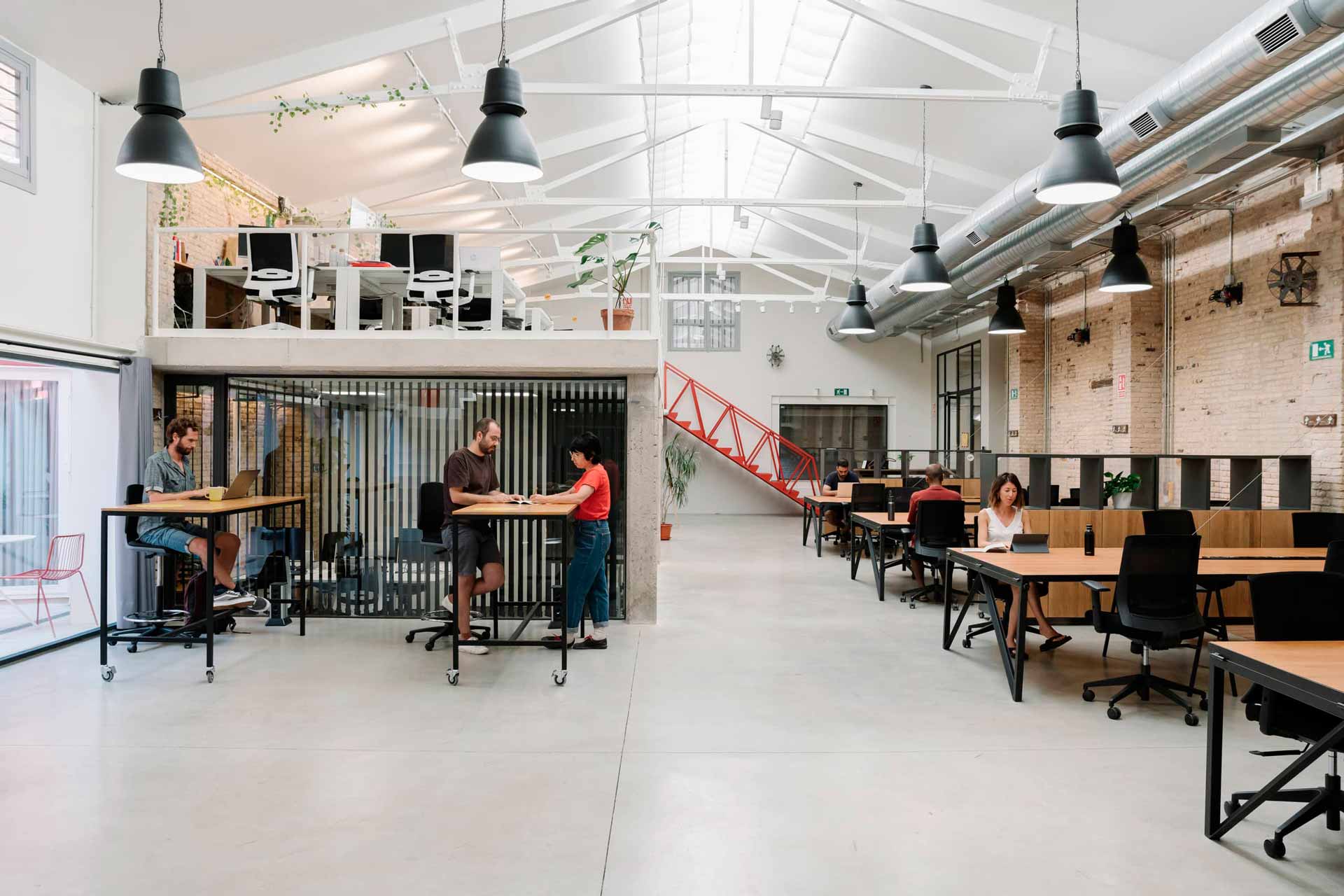
At Wayco, you will find a range of options for organising corporate events in Valencia, from meeting rooms for smaller gatherings to training rooms and spaces designed for different types of events.
As well as the venue itself, you can access services that make organising your event easier, including audiovisual solutions and Café de CO catering, so your guests can enjoy coffee, breakfast, lunch or a snack throughout the day.
Because organising an event already involves enough decisions. Having the space, services and support you need all in one place can take a few more off your list.
Looking for a venue with the right image for your next corporate event? Check the availability of Wayco’s spaces in Valencia.
Frequently Asked Questions
What protocol should be followed at a corporate event?
It depends on the type of event, but it will normally include aspects such as welcoming guests, registration, the order of presentations, seating arrangements, introducing speakers, signage and visual consistency. The key is to adapt the protocol to the event’s objective and audience, without turning it into unnecessarily rigid formalities.
How far in advance should you start organising a corporate event?
For a straightforward corporate event, it is advisable to start planning several weeks in advance. If the event involves a large number of attendees, suppliers, speakers or specific technical requirements, it is best to start several months beforehand. The more complex the event, the more time you will need to deal with unexpected issues.
What is the difference between an internal event and a client event when it comes to protocol?
Internal events tend to allow greater flexibility because attendees already know the company and how it works. For events aimed at clients, partners or external guests, the welcome, company image, personalised attention and careful time management become even more important.
Can I hire a room at Wayco just for an event without becoming a member?
Yes. You can hire meeting rooms, training rooms or event spaces at Wayco for one-off occasions without becoming part of the community.
A well-organised event communicates too
A successful corporate event combines logistics, experience and protocol. It is not enough to have a room available, a working projector and enough coffee for everyone. Every decision contributes to the impression attendees will have of the company.
That is why choosing a suitable, flexible venue that is prepared for different formats from the outset can make the whole process much easier. When the organisation is well thought through, protocol stops being something to worry about and becomes what it should be: a tool that helps everything run smoothly and makes your company look its best — without anyone having to notice just how much work has gone on behind the scenes.