When we talk about branding, we usually think about how a company presents itself to its customers: what it communicates, what values it conveys and what kind of experience it offers. But there’s another equally important brand that exists behind the scenes: the reputation a company builds among its employees and the people who might one day work for it.
That’s essentially what employer branding is all about. And although we tend to associate it with company culture, communications and recruitment processes, there’s another, much more tangible element that also shapes this experience: the workspace. Where we work, how we work and the options we have to adapt our surroundings to our needs all say a lot about a company.
What is employer branding?
Employer branding is the combination of strategies and actions a company uses to build and manage its reputation as an employer. The aim is to make people want to work there, while also encouraging those already on the team to stay.
In other words, it’s the image a company projects as a place to work.
There’s an important distinction here. Customer branding aims to create a positive perception among people who buy or use a company’s products and services. Employer branding, on the other hand, focuses primarily on current employees and potential candidates.
The employee value proposition (EVP) plays a key role. It encompasses everything a company offers in return for its employees’ talent and contribution: salary and working conditions, development opportunities, culture, leadership, benefits, flexibility and, increasingly, the overall employee experience.
Employer branding has become more important as competition for attracting and retaining certain talent grows. Expectations have also changed, particularly among younger generations. Alongside a good salary, people value flexibility, work-life balance, purpose, professional development and the opportunity to work in environments that suit their needs and working styles.
That’s why employer branding can’t be built on a great message alone. People need to experience it every day.
Why looking after your employer brand matters
A company might have an excellent recruitment strategy, advertise attractive roles and communicate a fantastic set of values. But if the actual employee experience doesn’t live up to those promises, its employer brand will eventually reflect that.
Looking after your employer brand can make a difference at several stages of the relationship between a person and a company.
Attracting the right talent
A strong employer brand helps a company stand out and appeal to the professionals it wants to attract.
The candidate experience starts long before the interview: with a job advert, on the company website, on LinkedIn, through what people find out about the business or what current employees tell them.
When the employee value proposition is clear and consistent, it’s easier to stand out during recruitment, particularly when several companies are competing for similar profiles.
Retaining your existing team
Employer branding doesn’t end when someone signs their contract. In fact, that’s when one of its most important stages begins.
A positive employee experience can help reduce staff turnover and strengthen a sense of belonging. People want to work for companies that deliver on the promises made during recruitment.
That’s why company culture, leadership, growth opportunities and employee benefits all need to be backed up by real experiences.
Improving engagement and productivity
When people feel their company understands their needs and gives them the tools to work better, they may also feel more committed to the organisation and its goals.
This doesn’t mean there’s a magic formula for increasing productivity. It means creating the right conditions for people to do their jobs well.
And this brings us to an element that sometimes gets left out of conversations about employer branding: the place we work from.
The workspace as part of your employer brand
The employee value proposition isn’t just about salary, benefits or what a company says about itself. It’s also shaped by everyday experiences. And the workspace is one of them.
We spend a lot of time at work, and our surroundings can influence how we experience the working day: comfort, natural light, location, spaces for focusing or meeting, areas to unwind and, above all, the freedom to choose how and where we work.
Esto cobra todavía más importancia con la consolidación del trabajo híbrido. Si una persona puede trabajar parte de la semana desde casa, ¿por qué sus únicas alternativas deberían ser su casa o la oficina corporativa?
Building flexibility into the workspace itself makes it possible to offer an experience that better suits different people and situations.
One day, a professional might need a quiet office to concentrate. The next, they might need a space for meetings, or simply a change of scenery to break away from their usual routine.
All of this is part of the employee experience — and therefore part of your employer brand.
Why a coworking pass can strengthen your employer brand
One straightforward way to make the workspace part of your employee value proposition is to offer a coworking pass as an employee benefit.
The idea is simple: alongside their usual office, employees can access a coworking space whenever they need one.
It might seem like a small detail, but it responds to several expectations that are increasingly important in the relationship between companies and talent.
Flexibility and hybrid working as added benefits
El trabajo híbrido ha cambiado nuestra relación con la oficina. Ya no se trata necesariamente de estar todos los días en el mismo lugar, sino de tener diferentes opciones según lo que necesitemos.
Un coworking permite añadir una alternativa más: trabajar desde un entorno profesional, equipado y preparado para trabajar.
It can be particularly useful for people who live far from the company headquarters, professionals who work some days in another part of the city or employees who simply want a change of scenery.
An attractive workspace for younger talent
For many younger professionals, flexibility isn’t an added extra. It’s an important part of what they expect from an employer.
They also value the experience around work itself: meeting new people, having comfortable spaces, enjoying useful services close at hand and working in well-connected locations.
A coworking space can bring a more dynamic and social element to the working day, whether the company is based there in a private office or employees use it as an alternative workspace away from their usual headquarters, with a flexible or fixed desk.
And that can become another valuable part of your employee value proposition.
Wayco coworking passes and private offices for your employer branding strategy
If the workspace is part of your employee value proposition, it makes sense for companies to think not only about where their teams work, but also about the experience they have while they’re there.
At Wayco, that’s exactly how we approach things. We specialise in creating great workspaces and, above all, looking after the people who use them.
That’s why companies can incorporate Wayco into their employer branding strategy in different ways.
Offer coworking passes as an employee benefit
One option is to give employees coworking passes, allowing them to work from any of our spaces whenever they need to.
It’s an easy way to add flexibility to the working day: change your surroundings, work closer to home, focus on a particular project or simply step away from the usual office routine.
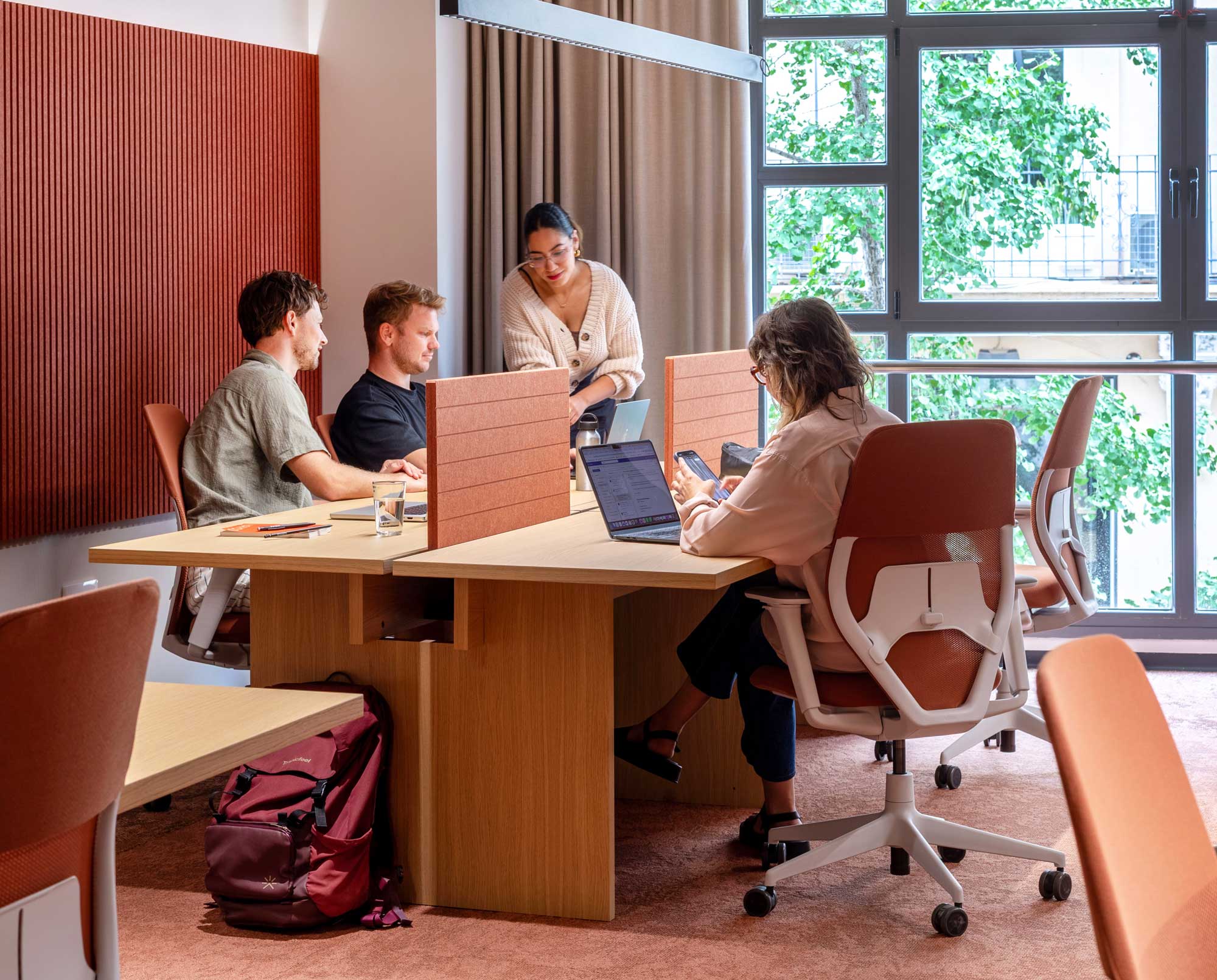
As well as a fully equipped workspace, employees can enjoy shared areas, meeting rooms, phone booths, relaxation areas, cafés and a professional community to connect with.
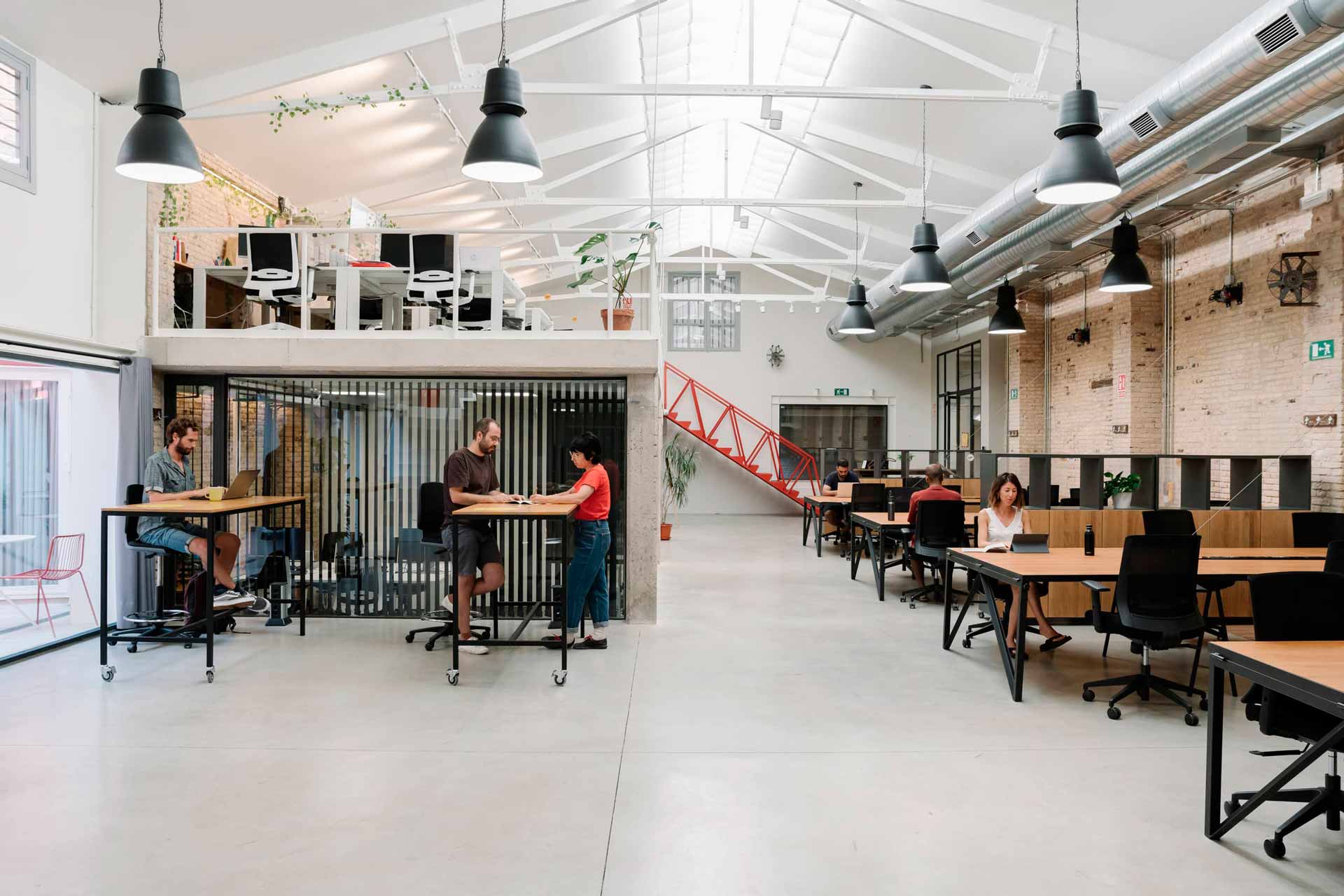
And with our coworking spaces in Valencia, they can choose the setting that best suits each day, from central locations in Pizarro, Ruzafa and Abastos to Cabanyal, close to the sea.
A private office that puts people first
Employer branding doesn’t have to be limited to offering additional benefits. The office itself can play an important role in the employee experience.
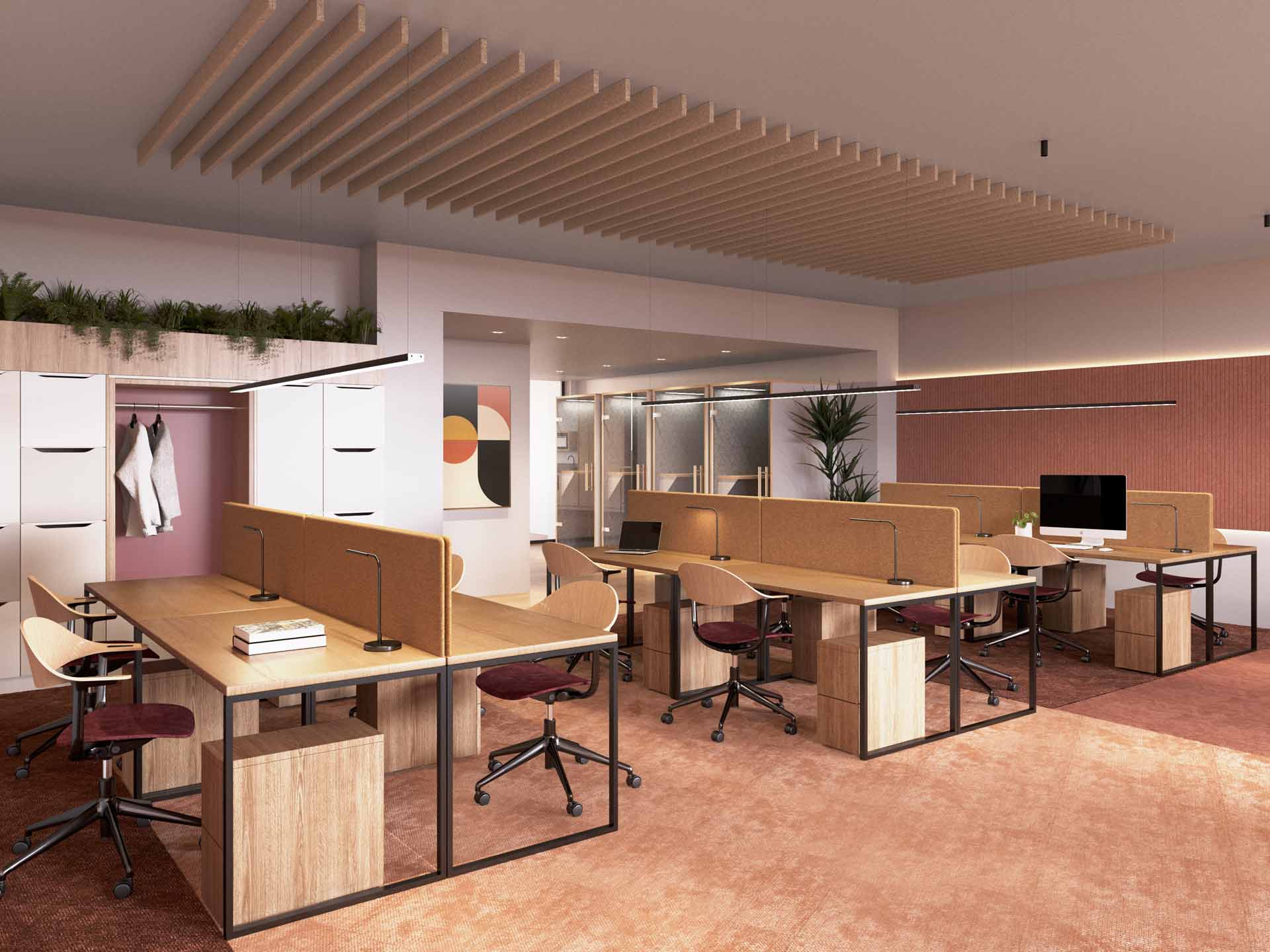
Wayco’s private offices are designed to let companies focus on their business while we take care of everything that makes working there more comfortable, practical and enjoyable.
And that means much more than a desk and four walls. It includes cafés where you can take a break, relaxation areas to unwind, shared spaces that encourage networking, monthly activities that help you connect with the community, additional services and a dedicated team on hand to help with day-to-day needs.
Because a great working experience is also about the little things: having somewhere to grab a coffee, bumping into other professionals, joining an activity, stepping outside the office for a change of scene or knowing there’s a team ready to help when you need it.
Two ways to look after your team’s experience
A Wayco workspace can therefore support a company’s employer branding strategy from start to finish.
A private office helps create a positive everyday experience for the team. A coworking pass adds flexibility when people need a different way to work.
Two different solutions, built around the same idea: creating work environments where people can feel comfortable, connect with others, focus and enjoy their working day.
If you’d like to make your workspace part of your employer branding strategy, Wayco can help you find the right solution for your team — from coworking passes for employees to private offices designed around the people who use them.
Frequently Asked Questions
What’s the difference between employer branding and brand marketing?
Brand marketing is primarily about shaping how customers and consumers perceive a company. Employer branding focuses on how people perceive the company as a place to work, both current employees and potential candidates.
The two strategies should be consistent. After all, the experience employees have can also influence how a company is perceived externally.
How can a small business work on its employer branding?
You don’t need a big budget to start building your employer brand.
Flexible working hours, clear internal communications, development opportunities, a good onboarding process and benefits tailored to the team’s real needs can all make a difference.
You can also introduce straightforward solutions, such as access to coworking spaces, to offer greater flexibility without having to create new facilities.
Which employee benefits matter most to younger professionals?
There’s no universal list, as priorities vary from person to person and depend on their stage of their career. However, flexibility, hybrid working, learning opportunities, work-life balance and a positive working experience are increasingly important.
The workspace itself can also be part of the offer. Having different places to work, rather than being limited to a single environment, can be a valuable added benefit.
Can a coworking pass replace other employee benefits?
No. A coworking pass should be seen as one element of a broader employee value proposition.
Puede convivir con otros beneficios habituales, como seguro médico, formación, programas de bienestar, flexibilidad horaria o ayudas para la conciliación.
La clave está en construir un conjunto de beneficios que responda de forma coherente a las necesidades del equipo.
Employer branding is something people experience
A strong employer brand isn’t built solely on values written on a website or an attractive careers page.
It’s built through every interaction and every decision that affects the experience of the people who work for a company.
That includes something as everyday as the place they work from.
Offering flexibility, creating great working environments and giving employees the choice of where to work are tangible decisions that can strengthen your employee value proposition.
And in this respect, coworking is a straightforward way to add flexibility and new possibilities to the team’s experience.
Because your employer brand is also built in the place where work happens.