Technology that seems straight out of a science fiction film is already part of everyday industries such as food production, recycling and pharmaceuticals. But behind all this innovation are people capable of turning complex concepts into solutions that are easy to understand—and even easier to use.
The Engineer Who “Sees” What the Human Eye Cannot
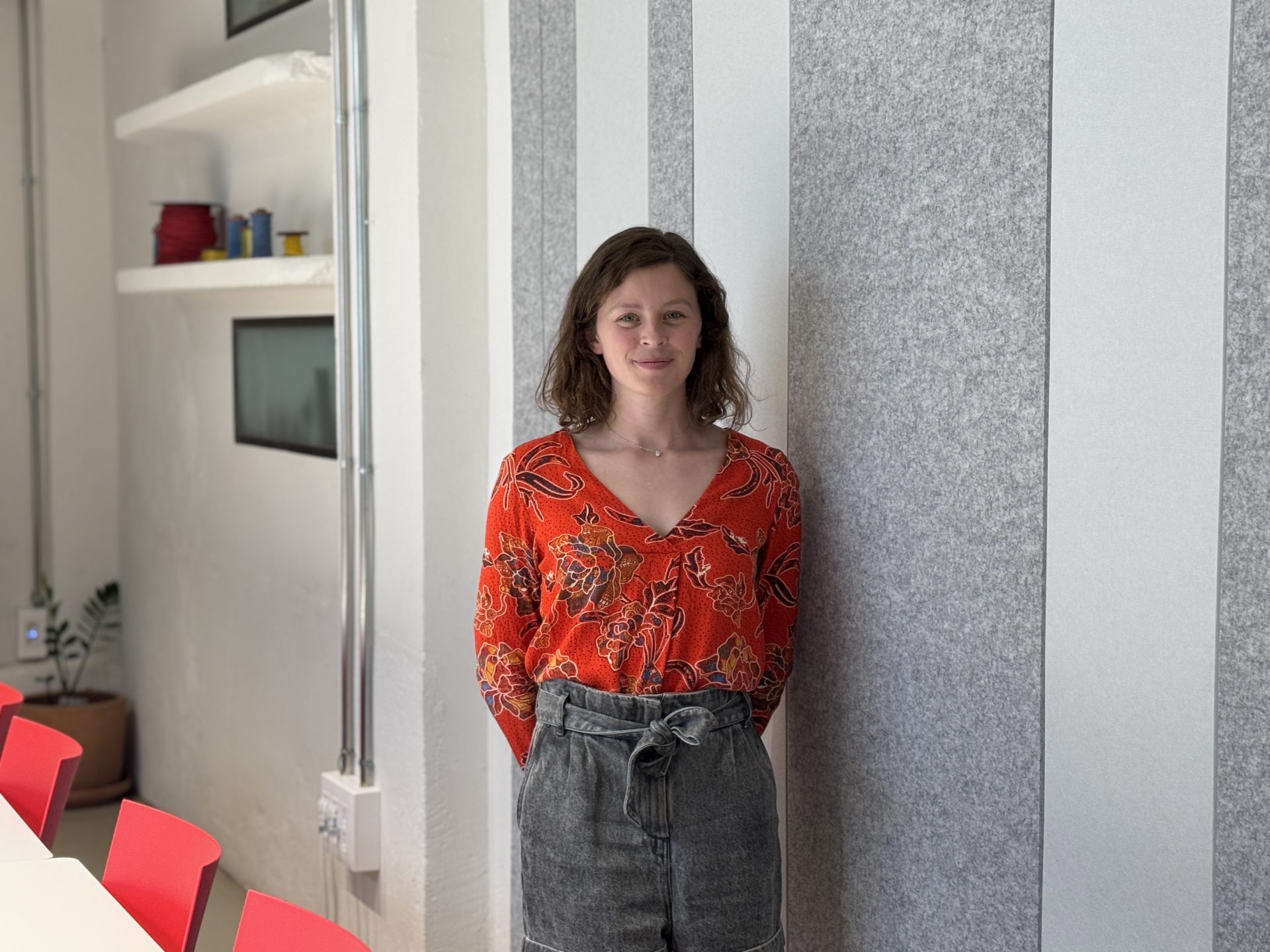
Today, we speak with Léa Butruille, a Field Application Engineer at Headwall, who works from Wayco Abastos helping companies around the world unlock the potential of hyperspectral imaging. Science, creativity, tomatoes, coffee and coworking in Valencia: yes, this interview has a bit of everything.
Léa moved to Valencia in April 2024 after spending three years in the Netherlands. Her goal was to reconnect with her culture, as she comes from the south of France, discover Spanish culture and improve her Spanish. She quickly realised that Valencia would welcome her with open arms.
How did you become a Field Application Engineer at Headwall, and what do you enjoy most about your work?
After graduating in Optical Engineering, I decided to specialise in hyperspectral imaging as a Field Application Engineer. I had the opportunity to work for several companies within the Headwall Group, starting with perClass, then Inno-spec and finally EVK.
Our goal is to provide industrial solutions for quality control in the food processing, plastics recycling, textile and pharmaceutical industries. What I enjoy most about my work is interacting with customers, understanding their needs and offering them the best possible solutions.
Headwall works with “hyperspectral imaging”. It sounds futuristic—how would you explain it to someone who has never heard of it?
Hyperspectral imaging is a rapidly growing technology! It allows us to characterise the chemical composition of products by interpreting the spectrum of light reflected by objects.
To put it into perspective, smartphone cameras use three bands (red, green and blue) to represent colours, whereas our cameras use more than one hundred bands—hence the name hyperspectral. This provides far more information than conventional cameras and allows us to reveal details that are invisible to the naked eye.
What is the most common problem this technology solves, and why does it make such a difference compared to traditional methods?
Our technology is mainly used on production lines, both in the food industry and in other sectors.
For example, in tomato quality control, conventional cameras provide information such as size, shape and position. Hyperspectral imaging, combined with machine learning algorithms, allows us to go much deeper by estimating sugar content, acidity and even firmness, while still providing the same positional information as standard cameras.
There are numerous applications for tomatoes, apples, blueberries and many other products. We also have a strong presence in the recycling sector, where we sort different plastics and textiles to optimise the use of resources and reduce waste.
Your role puts you in direct contact with customers. What does a typical project look like, from identifying a need to implementing a solution on a production line?
The first step is understanding the customer’s needs and expectations.
They can then send samples for a quick feasibility study based on data collection, or use our products to carry out the study themselves. Once the technology has demonstrated positive results, our goal is to provide support and assistance throughout the process of integrating our solutions into their production line.
Headwall talks about “keeping things simple” and avoiding unnecessary complexity. How does this philosophy shape your day-to-day work?
Our objective is to simplify a complex technology and turn it into an easy-to-use solution, making the experience more accessible and straightforward.
We provide all the components required for a successful project, both hardware and software, so customers can focus on results rather than complexity.
Recycling, food production, pharmaceuticals… what is it like adapting the technology to such diverse applications?
It’s always exciting to discover new applications for hyperspectral imaging!
The underlying principle remains the same, but the challenge lies in understanding how our technology can best meet expectations before integrating it into production. It’s incredibly rewarding to receive samples from all kinds of industries and demonstrate the value of the technology.
When customers see the technology in action for the first time, what is their usual reaction?
It’s one of the most rewarding moments—being able to demonstrate the technology’s potential and create a sense of amazement.
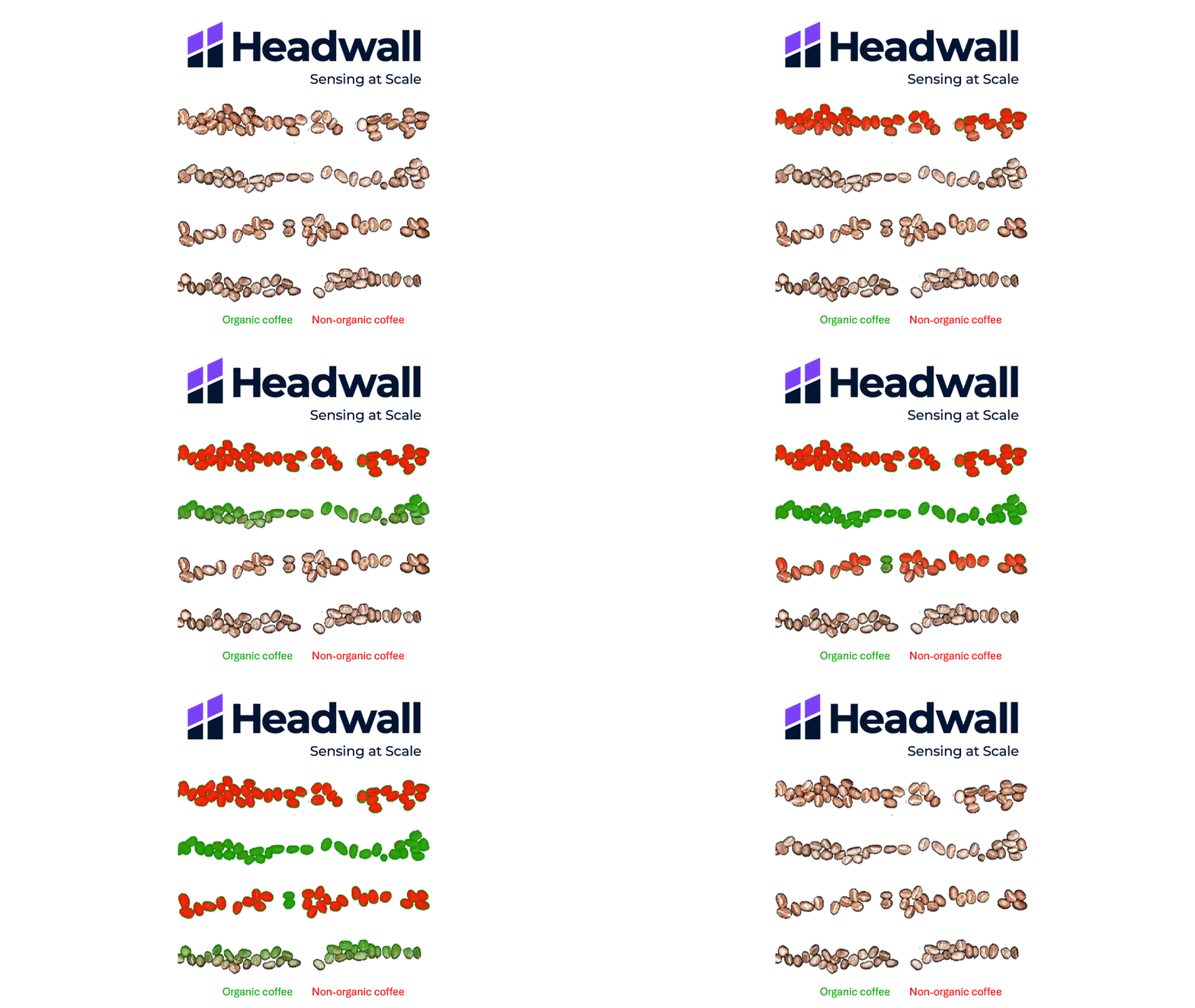
Even after working with this technology for more than five years, I’m still often surprised by what it can do. One customer approached us to distinguish between organic and non-organic coffee beans. After collecting data and building a classification model in less than five minutes, we were able to separate the beans, despite the differences being impossible to detect with the naked eye.
Beyond technical knowledge, what skills are essential for someone in your role?
One of the most important skills is being able to put yourself in the customer’s shoes and communicate the capabilities of the technology from their perspective.
Adaptability and proactivity are also essential for solving problems and preventing issues before they arise.
And finally, a touch of creativity is invaluable when delivering live demonstrations at trade shows and events.
You work from Wayco Abastos. What is your day-to-day experience like there, and what advantages does coworking offer compared to a traditional office?
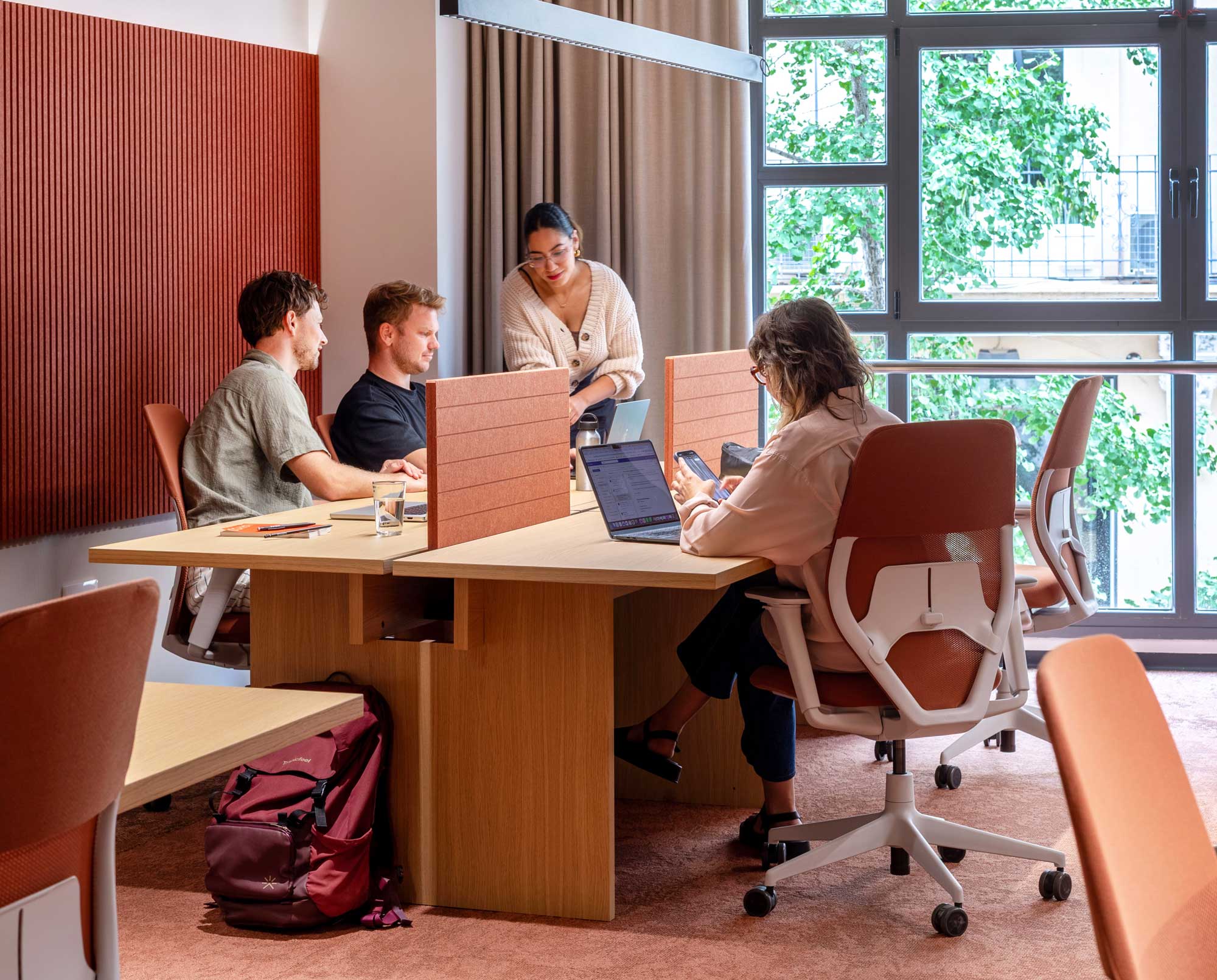
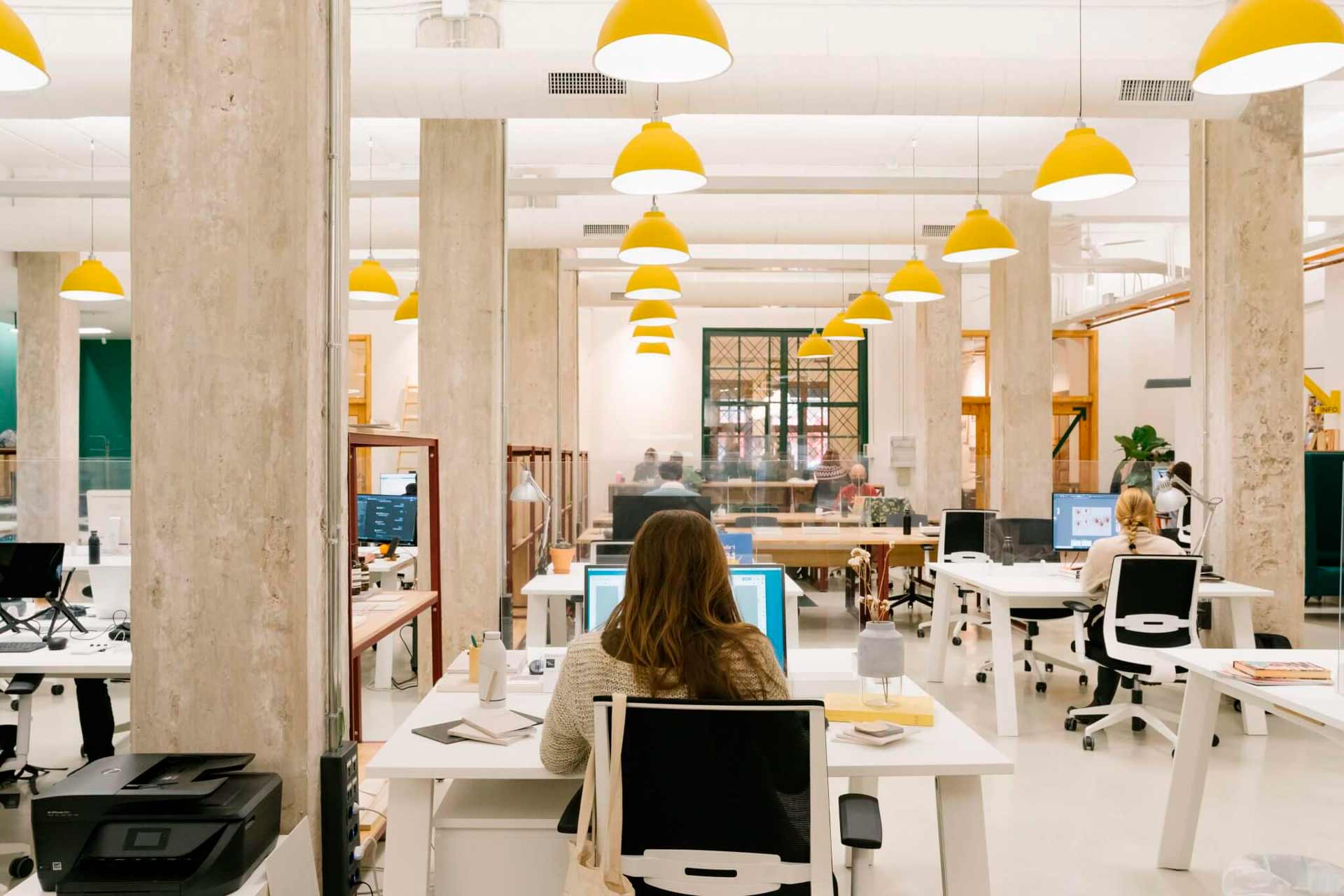
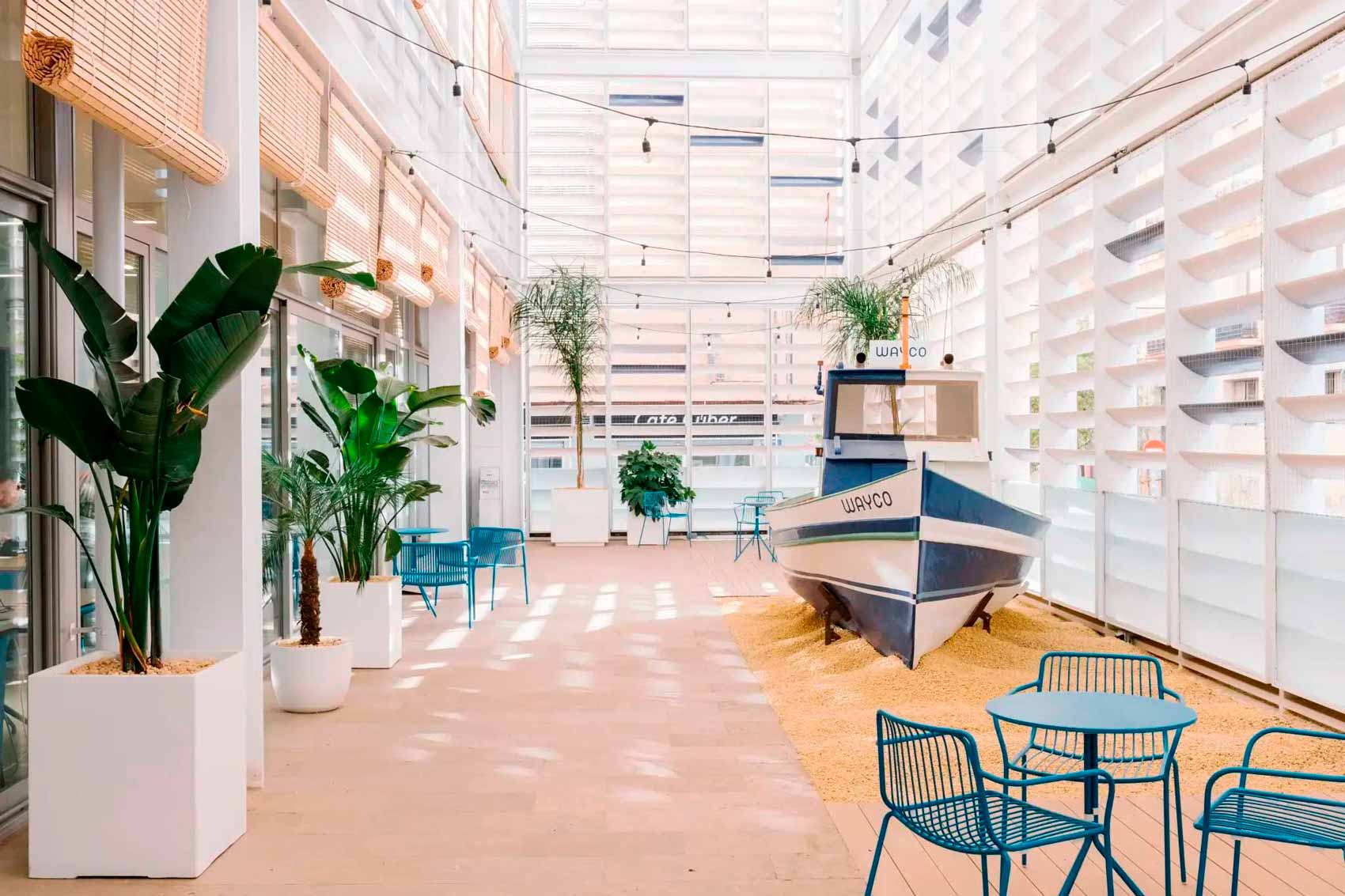
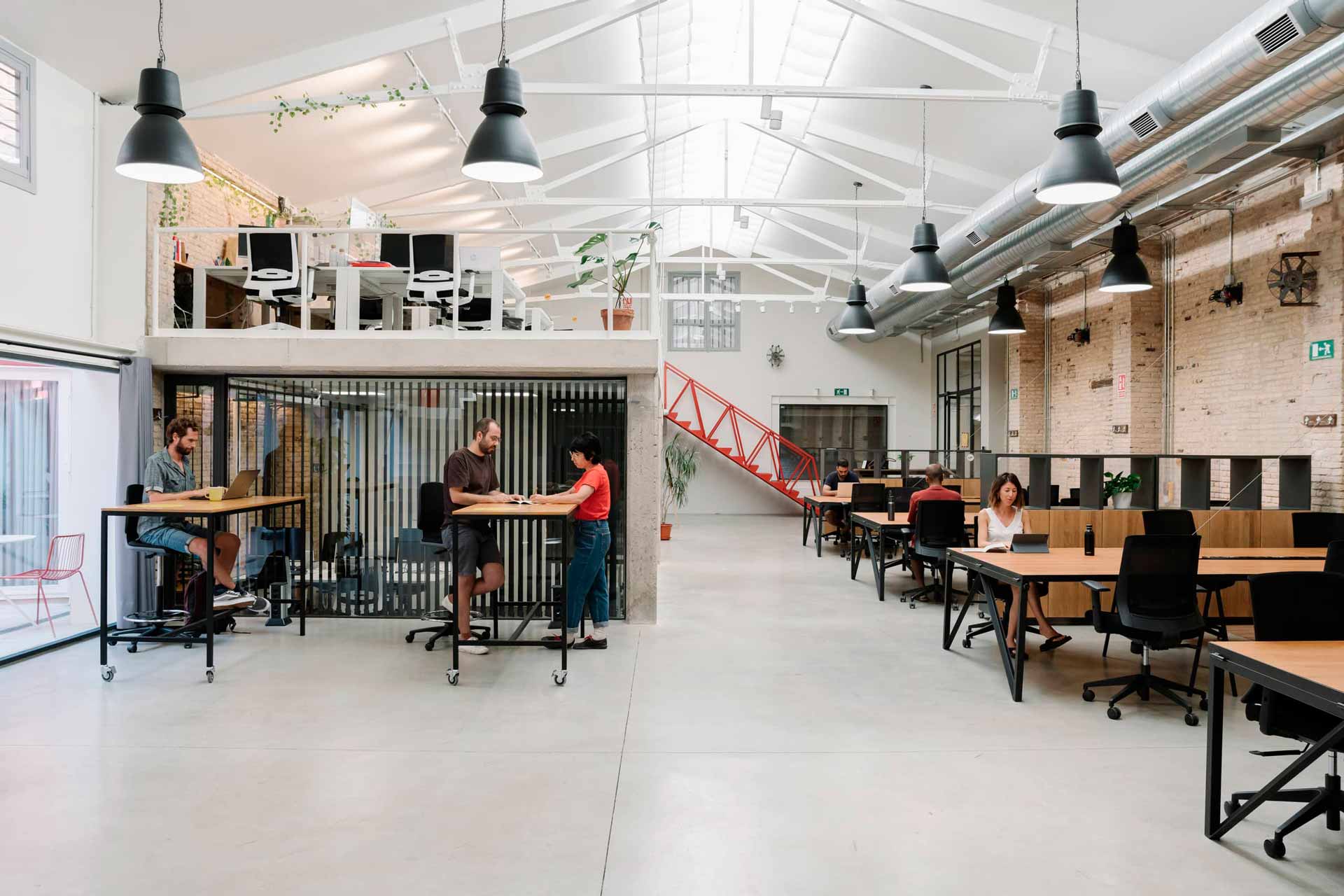
I’m fortunate to work from Wayco Abastos, a coworking space located close to Valencia’s city centre. Remote work allows me to create a productive working environment while maintaining a healthy work-life balance. It also gives me the opportunity to share my day with incredibly friendly coworkers and enjoy a strong sense of community.
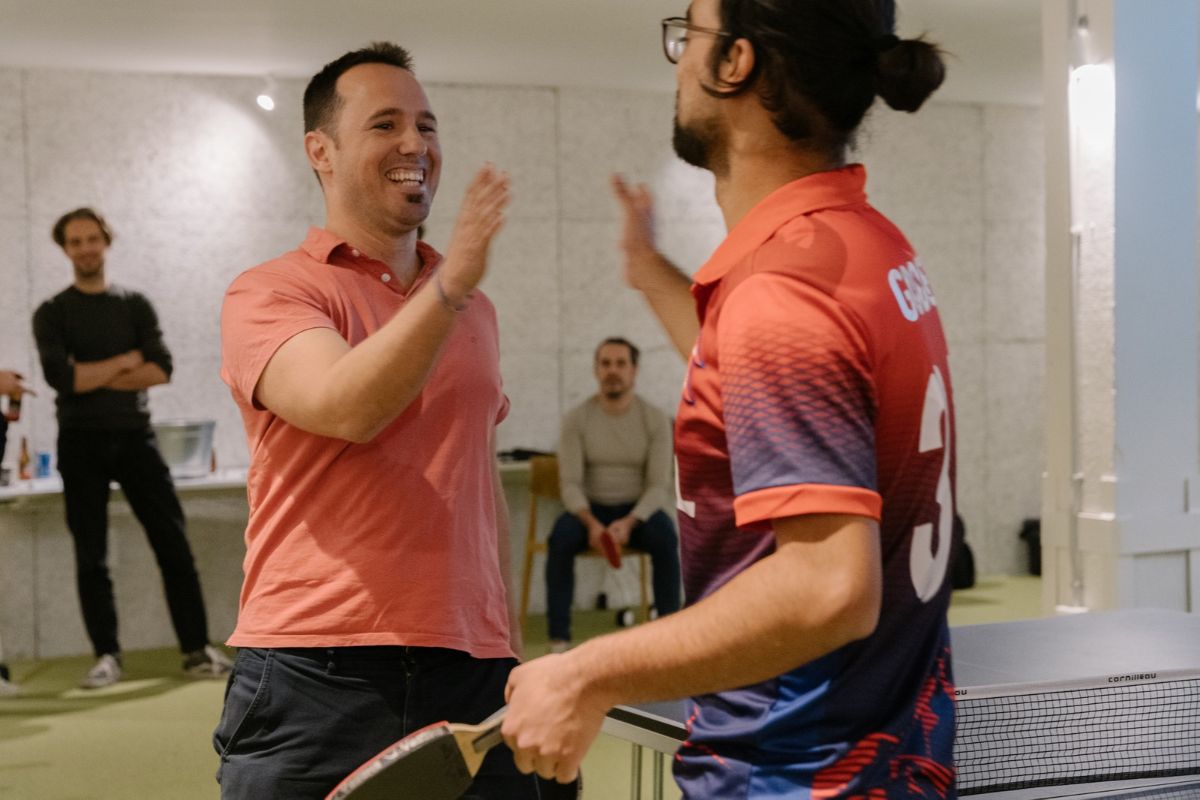
I highly recommend the fantastic work carried out by the coworking management team. They do a great job supporting everyone and fostering a wonderful atmosphere through breakfasts and other activities organised throughout the year.
What would you say to someone interested in a role like yours or in joining a technology company such as Headwall?
I would highly recommend working in this challenging, dynamic and stimulating field.
I encourage anyone with a passion for science and technology to explore this environment, which offers the opportunity to make a meaningful impact. You can find a variety of career opportunities on the Headwall and EVK websites.